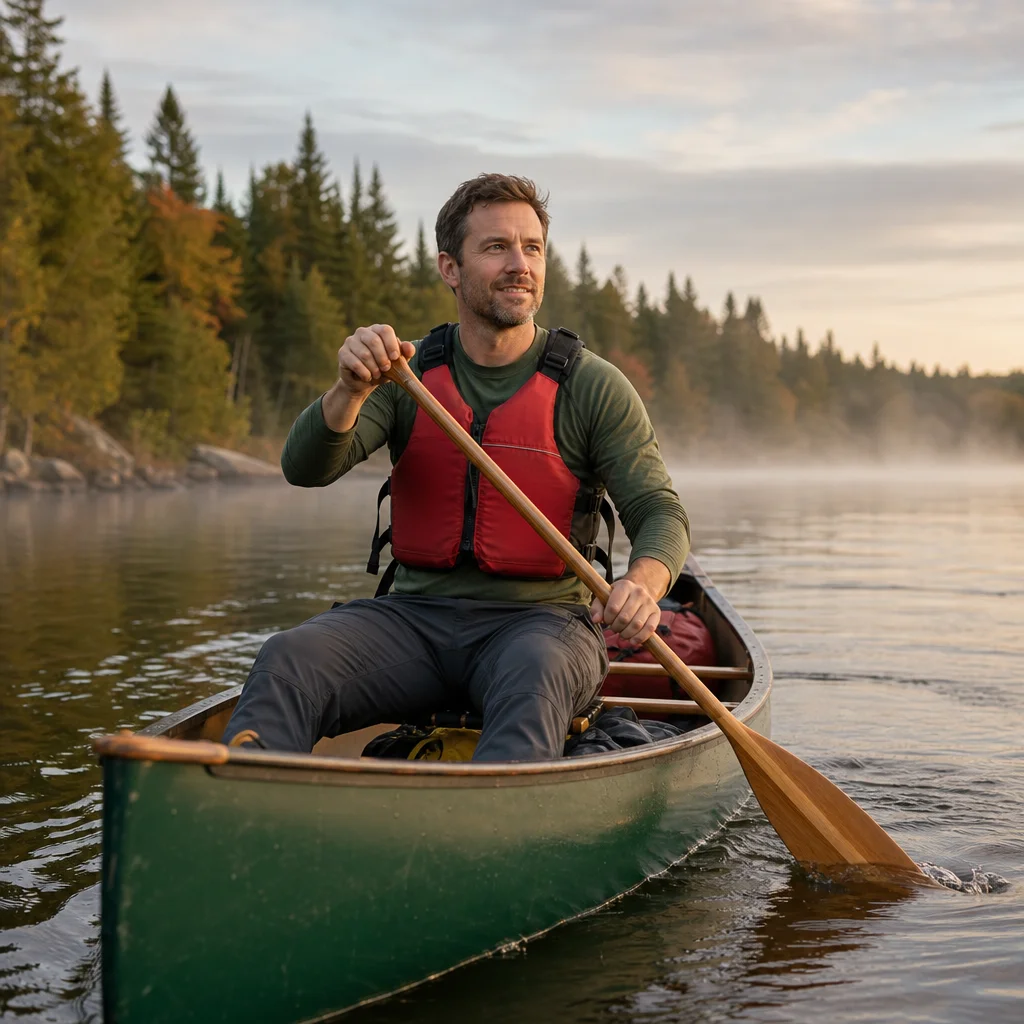
I’ll help you plan a first canoe trip around the essentials: a manageable route, a reliable canoe setup, a short packing list, and a turnaround time that keeps the day calm instead of rushed.
Read article →
I’ll compare the wind patterns you’re likely to meet in coves, narrows, and open crossings, then explain how to choose a safer line and build reliable habits that keep a canoe route manageable when sheltered water stops feeling sheltered.
Read article →
I’ll explain how to turn a broad lake-wind forecast into a route-level plan by accounting for fetch, shoreline angles, bays, points, and islands. You’ll learn where forecasts commonly mislead paddlers and how to choose safer alternatives when conditions shift.
Read article →
A sheltered shoreline route can be safer than a short crossing when wind has room to build waves. I’ll show you how to read fetch, trim, crossing angles, and changing conditions so your lake decisions remain reliable from launch to landing.
Read article →
A simple reach for a water bottle or paddle can make a canoe wobble when your weight moves farther than expected. I’ll explain the trade-offs behind safer reaching, gear adjustment, and helping a partner without turning a small shift into a swim.
Read article →
I’ll help you avoid buying a canoe that spends more time in storage than on the water. You’ll compare trip frequency, rental convenience, storage, transport, used-canoe risks, and the true cost of ownership before deciding.
Read article →
I’ll help you decide when a canoe trip needs a satellite messenger rather than relying on a phone, weighing coverage, remoteness, group risk, check-in plans, and the limits of emergency communication in North American backcountry settings.
Read article →
Cell coverage, route remoteness, weather, and group size all change the value of a backup communicator on a canoe trip. I’ll show you how to weigh phones, satellite messengers, PLBs, satellite phones, and radios without carrying more technology than your route requires.
Read article →
I’ll help you separate scuffs and small punctures from damage that can weaken a canoe’s hull, using material-specific warning signs, sensible inspection steps, and clear limits for DIY repairs before you launch again.
Read article →
A first solo canoe trip can feel manageable until wind, cold water, or a difficult recovery changes the calculation. I’ll help you judge boat familiarity, conditions, rescue support, and practice readiness before choosing a sensible first outing.
Read article →