When Should a Beginner Paddle Solo for the First Time?
A first solo canoe trip can feel manageable until wind, cold water, or a difficult recovery changes the calculation. I’ll help you judge boat familiarity, conditions, rescue support, and practice readiness before choosing a sensible first outing.
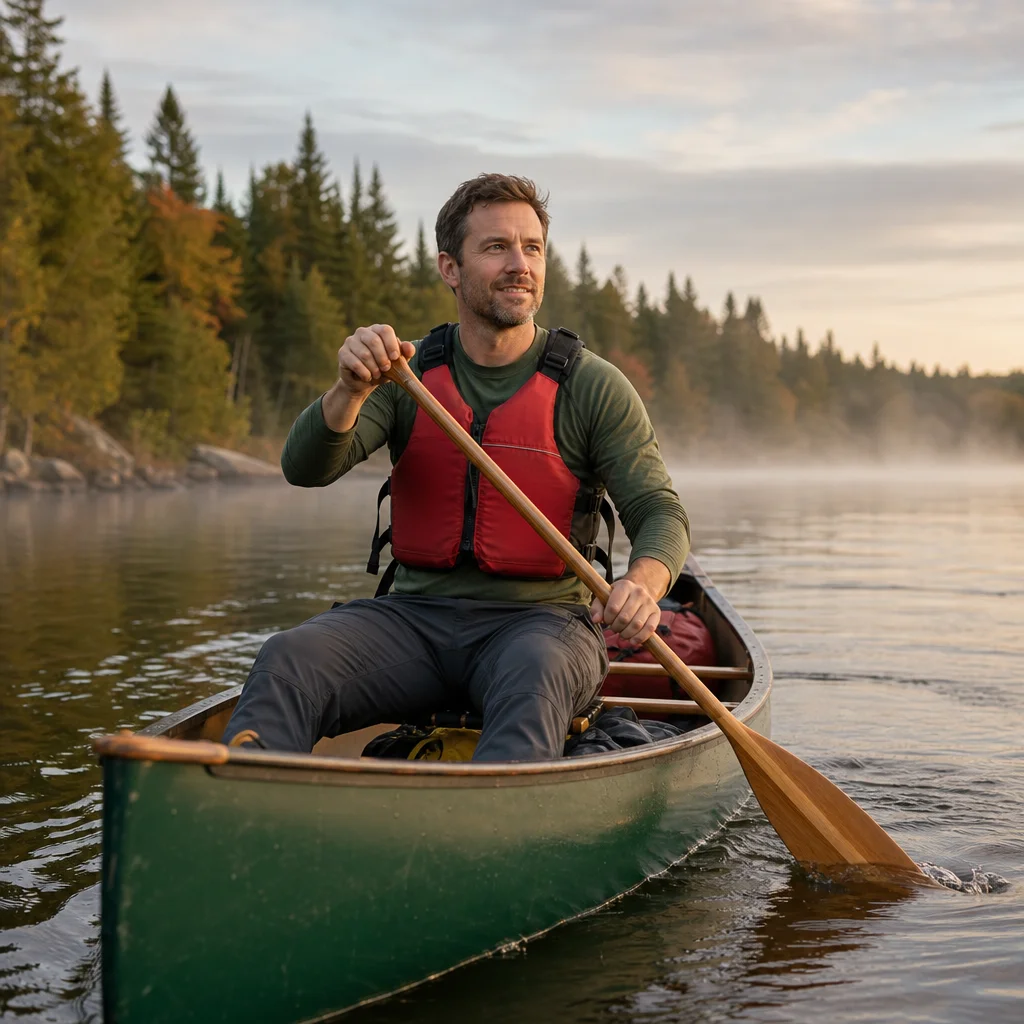
The first solo paddle is less about proving that you can move a canoe alone and more about knowing what you can manage when conditions stop cooperating. A calm, familiar lake may be appropriate; cold water, building wind, or limited rescue options may make the same canoe a poor choice for a first attempt.
I’d treat solo paddling as a progression, not a date on the calendar. You’re ready when you can control the boat, recognize deteriorating conditions, and recover from a capsize with a realistic margin for error.
Start with the canoe, not the calendar
A canoe that feels stable with two paddlers may behave differently with one. The change in weight distribution can make the bow rise, the stern sit low, and the boat respond awkwardly to wind. A tandem canoe can be paddled solo, but it may need ballast or a different seating position to trim properly.
For a first outing, look for:
- A canoe you have already paddled and can enter and exit confidently.
- Enough initial stability that small movements don’t feel alarming.
- A seating position designed or adapted for solo paddling.
- Gear that can be secured without creating loose hazards.
- No significant damage, leaking flotation chambers, or questionable hardware.
A dedicated solo canoe often handles more naturally, but it isn’t automatically easier. A narrow, efficient boat may turn quickly and feel lively, while a wider recreational canoe may feel steadier but require more effort to maneuver. Familiarity matters more than the label on the hull.
Check the trim
Sit or kneel in the position you expect to use and look at the waterline. If one end is noticeably low, wind can push the raised end around. Small adjustments to gear can improve trim, but heavy objects should be secured low and near the center rather than piled high at either end.
Test the setup close to shore. Add your normal clothing, water, and safety equipment, because an empty canoe can behave differently from a loaded one.
Choose conditions that leave room for mistakes
A first solo trip should be deliberately boring. Choose sheltered water with a simple route, good visibility, and several easy landing points. A small lake or protected section of a familiar river is generally more forgiving than a broad, exposed lake or moving water with strainers, rapids, or complicated navigation.
Look for:
- Light, stable wind rather than a forecast that may shift during the day.
- Minimal boat traffic and no challenging crossings.
- A route short enough to finish without rushing.
- Shorelines where you can land frequently.
- No current, rapids, tides, or surf unless you already have specific training for them.
Wind deserves special attention. Even moderate wind can turn a tandem canoe into a difficult solo boat if the bow is unloaded and catches the breeze. Headwinds may make progress tiring, while crosswinds can push you toward an exposed shore. Plan your route so you don’t have to cross the widest section of water early in the trip or fight back against a stronger afternoon wind.
If the forecast is uncertain, postpone. A successful first solo paddle isn't the one that squeezes through marginal conditions; it’s the one that gives you useful practice without forcing a recovery under pressure.
Treat water temperature as a deciding factor
Air temperature can be pleasant while the water remains dangerously cold. If you capsize, cold water can affect breathing, coordination, and judgment before you reach shore. That makes a first solo outing in cold water a different risk category from a warm-weather practice session.
For cold conditions, consider whether you have appropriate thermal protection, a reliable way to stay with or regain the canoe, and enough nearby support to respond if you can’t self-rescue. A swimsuit and optimism aren’t cold-water equipment.
Even in warm conditions, wear a properly fitted personal flotation device while paddling. It should be comfortable enough that you’ll keep it fastened, and it shouldn’t interfere with your strokes or exit from the canoe.
Check the conditions before launching: Confirm the current water-temperature outlook, weather forecast, local advisories, and any area-specific boating requirements. If cold water, high wind, storms, or restricted access changes the consequences of a capsize, choose a more sheltered plan or wait.
Practice the skills before making the trip count
Your first solo session should be practice, not an expedition. Start in shallow water near a safe landing area, while wearing the clothing and flotation gear you intend to use.
Work through these skills in a logical order:
- Launch and land without scraping, tipping, or stepping into unstable shallows.
- Paddle straight at a relaxed pace.
- Turn in both directions using forward, reverse, and corrective strokes.
- Stop the canoe quickly and maintain control while looking around.
- Move from one side of the canoe to the other without sudden weight shifts.
- Reach for a secured item without leaning so far that the gunwale approaches the water.
- Re-enter or recover the canoe using a method suited to your boat and conditions.
You don’t need perfect technique before paddling solo, but you should be able to correct an ordinary wobble without panic. If every turn requires a large, hurried stroke or you struggle to keep the canoe pointed where you want it, stay with supervised practice.
Practice a capsize response
A capsize plan should answer three questions: Can you stay with the canoe? Can you get help? Can you regain enough stability to reach shore or continue the rescue?
Capsize practice is best done with qualified instruction or experienced supervision. A loaded canoe, cold water, wind, and restricted mobility can make a technique that looks simple on land much harder in reality. Practice also reveals whether your flotation, clothing, paddle, and secured gear support the plan or get in its way.
Don't assume that swimming to shore is the safest response. The canoe is highly visible and may provide flotation. Conditions, distance, current, shoreline hazards, and your ability to remain warm all affect the decision.
Make rescue support part of the decision
Solo paddling doesn’t have to mean being unsupported. For a first outing, tell a reliable person where you’re going, which access point you’ll use, and when they should expect you back. Arrange a check-in rather than relying on a vague promise to “be home later.”
Carry a communication method appropriate to the area. A phone may have no signal on remote water and may be difficult to use after a capsize. A waterproof storage solution can protect it, but it doesn’t create coverage. In isolated locations, a device or plan designed for off-grid communication may be worth considering.
The person on shore should know what action to take if you miss the check-in. Give them your route, vehicle information, emergency contacts, and a clear time window. If local rules require specific safety equipment, those requirements should be part of the launch decision rather than an afterthought.
Use a simple readiness test
I’d consider a beginner ready for a short first solo paddle when all of these statements are true:
- The canoe and seating arrangement are familiar.
- You can control direction and speed without exhausting yourself.
- You can launch, land, and shift position calmly.
- The water is sheltered, the route is short, and landing points are available.
- Wind and weather are comfortably within your skill level.
- Water temperature and clothing are appropriate for the consequences of a capsize.
- You have practiced or been taught a realistic recovery plan.
- Someone knows your route and return time.
- You can cancel without losing money, missing a deadline, or feeling pressured to continue.
If one answer is no, that doesn’t mean you can never paddle solo. It identifies the next piece of preparation.
Plan the first outing conservatively
Choose a route that allows an early exit. Paddle with the wind and shoreline in mind, and avoid making the farthest point of the trip the moment when you’re most tired. Keep the load light but complete: flotation, paddle, water, communication device, basic first aid, and any required equipment should be secured where you can reach them without destabilizing the canoe.
Watch the conditions continuously. Increased wind, darker skies, fatigue, cooling water, or reduced visibility are reasons to shorten the outing. Turning back while the decision is easy is a skill, not a failure.
Afterward, note what felt awkward. Perhaps the canoe needed ballast, your seating position was uncomfortable, or your route exposed you to more wind than expected. Fix one or two issues before attempting a longer or less sheltered trip.
The best time for a beginner to paddle solo for the first time is when the canoe is familiar, the conditions are forgiving, the water temperature is manageable, and the rescue plan is more than hope. Start with a short practice session near shore, bring the equipment and clothing you would use on a real trip, and leave yourself an easy way to stop.