The Small Comforts Worth Packing on a Long Canoe Day
A long canoe day can feel either thoughtfully comfortable or needlessly overloaded. I’ll explain which compact additions protect hands, manage sun and weather, improve breaks, and support safer decisions without turning a day trip into a gear haul.
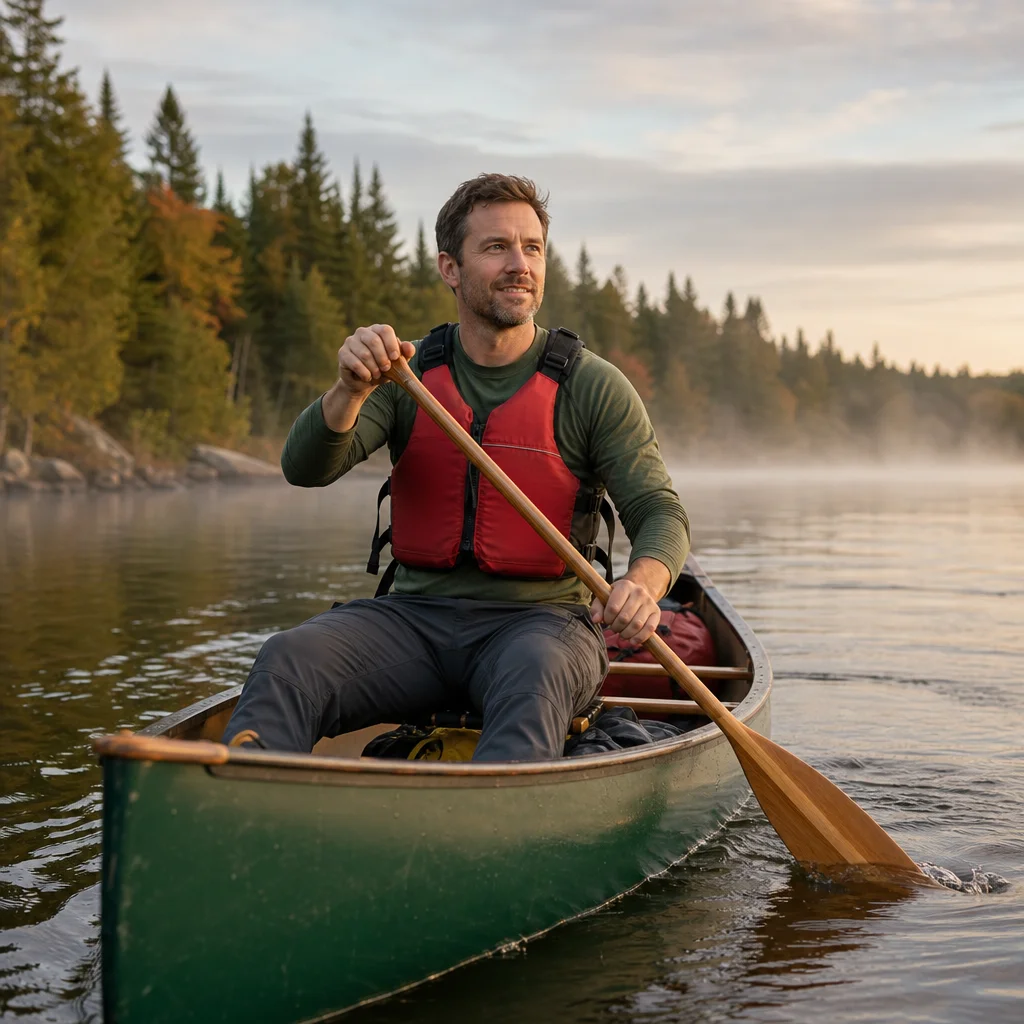
A long canoe day doesn’t usually become uncomfortable because one major piece of equipment is missing. More often, small irritations accumulate: a wet seat, hot hands, glare off the water, a snack crushed at the bottom of a dry bag, or a short break that never quite feels restorative. The answer isn’t packing everything that might be useful. It’s choosing a few low-bulk items that reduce discomfort before it affects your paddling, judgment, or patience.
For experienced day paddlers, these comforts are best viewed through a safety lens. Comfortable hands maintain a better grip. Shade and hydration help you stay attentive. A dry layer can keep a minor weather change from becoming a cold, distracting problem. The right additions should earn their place by doing more than making the trip pleasant.
Start with comfort that protects your paddling
Some discomfort is merely annoying. Some gradually changes how you hold the paddle, sit in the canoe, or respond to conditions. Pack the items that prevent those changes first.
Paddle gloves or hand protection
Lightweight paddling gloves can help with blisters, sun exposure, and the repeated friction of a long day. They’re especially useful when your hands aren’t accustomed to several hours of steady strokes, or when a paddle shaft becomes slippery from water and perspiration.
Choose a pair that fits closely without restricting finger movement. Bulky gloves can make grip adjustments awkward, while loose fabric may bunch under your fingers. A short-finger design offers ventilation, but full-finger sun gloves provide more coverage in exposed conditions.
A small roll of athletic tape or a few blister dressings are worthwhile even if you wear gloves. Tape can protect a tender spot before it becomes a painful one. Don’t wait until a blister changes your stroke; compensating for hand pain can spread strain into your wrist, elbow, and shoulder.
A simple seat solution
Canoe seats vary widely, and even a familiar seat can become uncomfortable after several hours. A thin closed-cell foam pad is often more useful than a thick cushion. It adds a little insulation, sheds water, and takes up very little space when rolled or folded.
Avoid a pad that raises you so much that it makes the canoe feel less stable or changes your normal paddling position. The best cushion improves pressure points without making you relearn your balance. If the pad tends to slide, a textured surface or a small strap can keep it in place.
A seat pad can also serve as a kneeling cushion during short stretches of alternate paddling. That versatility is more valuable than plushness on a day trip.
Manage sun, glare, and changing exposure
Water reflects light, and a calm morning can turn into several hours of strong exposure even when the air feels comfortable. Sun protection isn't just about avoiding a painful burn. Glare, heat, and squinting can contribute to fatigue and make it harder to read the water or notice changing conditions.
Use a hat that stays put
A brimmed hat with a secure fit is a small addition with a large practical benefit. A chin cord or retention strap helps when wind picks up or you need to look over your shoulder. Choose a brim that shades your face without blocking peripheral vision or interfering with a personal flotation device.
A lightweight, quick-drying hat is easier to live with than a heavy cotton one. If your route includes frequent landings, secure it before carrying the canoe rather than letting it dangle where it can catch on branches.
Add neck and skin coverage thoughtfully
A lightweight sun shirt or neck gaiter can protect areas that sunscreen often misses. These pieces also reduce the need to reapply sunscreen to your neck and shoulders during a busy day. Keep exposed skin covered where practical, and use water-resistant sunscreen on areas that remain uncovered.
Sunscreen should be accessible rather than buried in the main pack. A small, clearly marked container in a day bag makes reapplication more likely. Protect it from extreme heat, and follow the product’s directions rather than assuming one morning application will last all day.
Polarized sunglasses can reduce glare, but they can also change how some submerged objects and surface features appear. Wear a retaining strap so the glasses don’t become an emergency donation to the lake. Keep a low-bulk backup pair in a protective case if clear vision is important for route finding or if your primary pair is prescription.
Check your day’s exposure plan: Before launching, consider the route’s shade, forecast, paddling direction, and available landing spots. Keep sun protection, water, and any needed medication accessible rather than packed beneath equipment you won’t want to unpack mid-route.
Make breaks actually restorative
A break is less useful when it becomes a rummage through several dry bags. Group your break items in one small pouch or top-access compartment so you can stop, eat, and reset without unpacking the canoe.
Pack a real snack, not just emergency calories
A compact snack with a mix of carbohydrates, fat, and protein is usually more satisfying than a single sweet item. Trail mix, a nut-free bar where appropriate, a small sandwich, dried fruit, or crackers can all work. Choose food you can eat with one hand and that won’t become unappealing if it warms up.
Pack a little more food than the optimistic plan requires. A long lunch stop, slower travel, or unexpected headwind can extend the day. Keep food in a sealed container or bag that resists crushing and is easy to open with damp hands.
A small packet of wet wipes or a bandana is another quiet luxury. Clean hands make snacks more pleasant and help remove sunscreen, grit, and sap before they become irritating. A bandana can also serve as a sweat cloth, light cover, or temporary wrap for a minor mess.
Improve your drinking routine
The best water system is the one you can reach without disrupting the canoe. A bottle secured beside your seat or a low-profile hydration setup may encourage more regular drinking than a large reservoir buried in a pack.
Use a container with a cap that won’t roll away or a tether that doesn’t interfere with your paddle. If you carry more than one bottle, separate the drinking supply from any reserve so you can tell at a glance how much remains.
Avoid treating thirst as the only signal to drink. Heat, exertion, and wind can increase fluid needs, while excessive intake can also be unhelpful. Drink steadily and bring enough for the route, conditions, and likely delays.
Prepare for small weather changes
A compact wind layer or rain shell often weighs less than the discomfort it prevents. Even on a warm day, wind on damp clothing can make a break unpleasant, and a brief shower can leave you cold once you stop paddling.
Choose a layer that fits over what you’re wearing and can be reached quickly. A stuff sack keeps it compact, but don’t compress a wet garment into a sealed bag for the rest of the day; let it dry or ventilate it when conditions allow. A spare pair of lightweight socks is also easy to justify. Wet feet can produce hot spots and discomfort during portages or shoreline walks.
Keep the dry layer separate from wet gear. A waterproof bag is useful only if it’s closed properly and protected from sharp objects, leaky containers, and repeated handling. An extra plastic or reusable waterproof liner can provide redundancy inside a larger dry bag.
Add comfort without adding clutter
Small comforts become counterproductive when every item has a narrow purpose and the canoe fills with loose objects. Before packing, ask three questions:
- Will this prevent discomfort that could affect my paddling or judgment?
- Can I use it in more than one situation?
- Can I reach it without unpacking essential equipment?
A compact towel, for example, can dry hands, cushion a camera, wipe condensation, or serve as an extra layer under a seat pad. A short length of cord can secure a hat, bundle a jacket, or help organize a landing area, provided it doesn’t create loose loops around feet or gear.
Leave behind items that are fragile, difficult to secure, or pleasant only in a very specific scenario. A large camp chair may be wonderful at a basecamp but unnecessary for a day route with frequent carries. More gear also means more things to keep dry, recover after a capsize, and remember at the take-out.
A compact comfort kit
For a long canoe day, I’d consider starting with this small group:
- Paddle gloves or blister protection
- A thin seat or kneeling pad
- Secure hat and sunglasses with a retainer
- Sunscreen in an accessible container
- Lightweight sun or wind layer
- Spare socks or a small quick-drying towel
- Satisfying, easy-to-reach food
- Water in a container you can reach safely
- Wet wipes or a bandana
- Basic personal medication and a small first-aid selection
Adjust the list for the route rather than treating it as a fixed checklist. A shaded woodland stream may need less sun protection but more attention to wet feet and brush. An exposed lake crossing may reverse those priorities. Cold water, remote shorelines, strong wind, and limited landing options should influence what stays accessible.
Make the next trip easier
Pack comfort items in order of consequence: hand protection, water and food access, sun and weather protection, then personal extras. Test the arrangement on a shorter outing so you know what you can reach while seated and what tends to disappear beneath other gear.
After the trip, remove anything that stayed untouched for several outings unless it serves as deliberate backup. Keep the items that prevented a problem, improved a necessary break, or helped you respond calmly to a change in conditions. The goal isn’t a luxurious canoe. It’s a day where small irritations stay small—and where useful comfort supports safer paddling instead of competing with it.