The Day We Packed for the Map Instead of the Weather
I’ll explain how a weather change can expose a canoe trip planned around the map rather than real conditions, from clothing and shelter to food, route choices, and safer mileage decisions. You’ll also get a recovery plan for when the forecast stops cooperating.
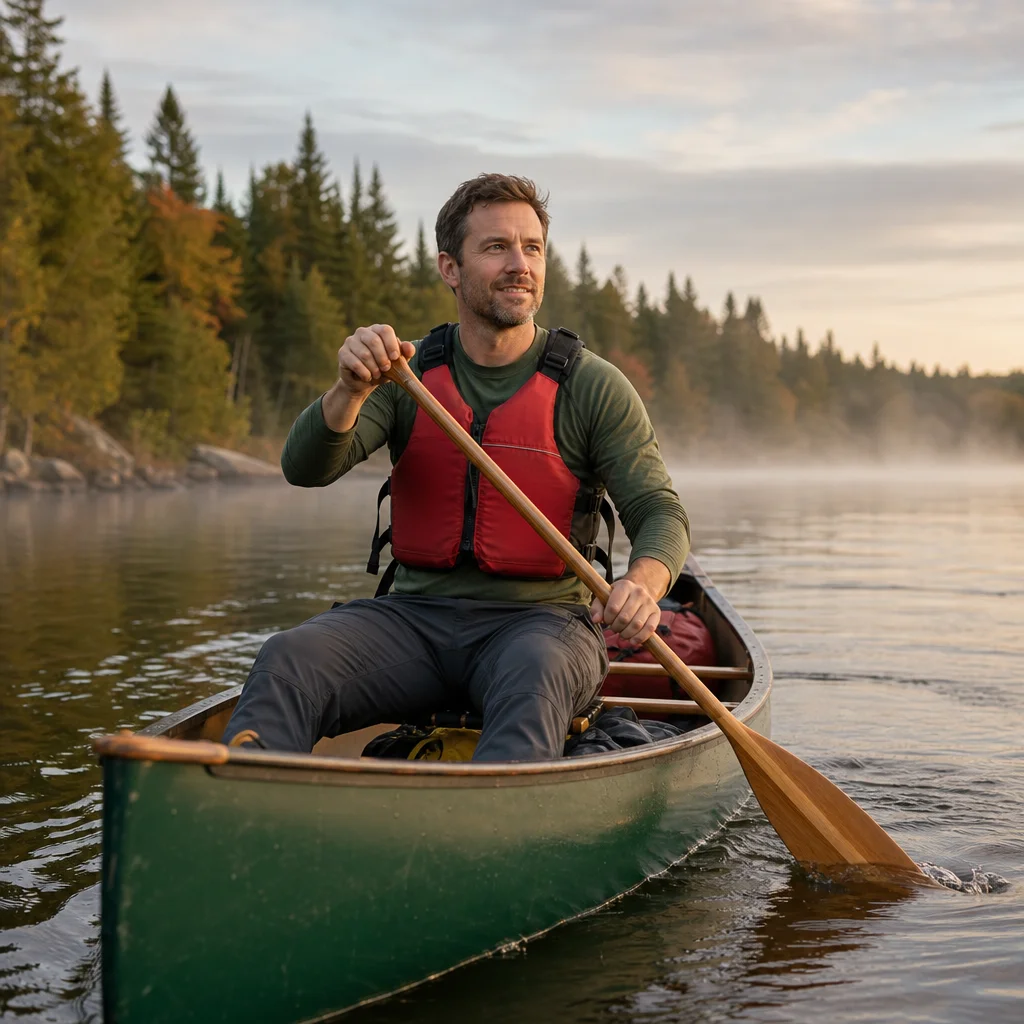
A map can make a canoe route look wonderfully simple: launch here, pass a few bends, camp there, and finish tomorrow afternoon. The problem starts when the route becomes the plan instead of one part of the plan. Distance doesn't tell you how hard the day will feel when wind, rain, cold, current, or an awkward landing changes the work involved.
The mistake behind “packed for the map instead of the weather” isn't merely forgetting a rain jacket. It’s allowing an optimistic mileage estimate to shape clothing, shelter, food, and route decisions. Once the forecast changes, the whole trip may be underprepared.
I’ll use that mistake as a troubleshooting exercise: what went wrong, how to recover without compounding it, and how to plan a more flexible canoe outing next time.
Treat the map as a starting point, not a promise
A map can show distance, campsites, portages, islands, channels, and approximate travel time. It usually can’t tell you how much effort a headwind will demand, whether a landing will be muddy, or how long a loaded canoe will take to turn into a narrow shoreline opening.
A useful plan has at least three versions:
- The ideal day: the distance you’d cover in favorable conditions.
- The ordinary day: a shorter distance that still works with pauses, moderate wind, and minor delays.
- The retreat day: a nearby landing, campsite, road access point, or sheltered shoreline where you can stop safely.
The ordinary day should be the one that controls your food and clothing. The ideal day is a bonus, not a requirement. If reaching camp depends on maintaining your fastest pace for hours, the route is already too tight for a recreational trip.
Mileage also needs context. A quiet lake, a winding river, a current-assisted section, and a route with multiple portages aren't interchangeable. A short distance can consume a full day when every mile includes maneuvering, unloading, carrying, and relaunching.
Let the forecast change the packing list
Weather planning works best when you pack for what being wet and tired will feel like, not what the temperature looks like at noon. A forecast may show a comfortable daytime high, but paddling in rain or wind can leave you chilled long before the air reaches its lowest temperature.
Clothing: pack for recovery, not appearance
Wear quick-drying layers that remain comfortable while paddling, and keep a complete dry change of clothes in a waterproof container. The dry set should be protected from the moment you leave the launch, not placed in a bag that is opened every time someone wants a snack.
A rain shell is useful, but it isn’t a substitute for insulation. In cool, wet conditions, a shell over thin clothing may leave you damp and cold. Add a warm layer suited to the forecast, and consider what you’ll need at camp when you’re no longer generating heat by paddling.
Avoid relying on cotton for the main clothing system in cool or wet conditions. It absorbs water and dries slowly. Footwear also deserves attention: a shoe that feels fine on a dry launch may be a poor choice on slick rocks, muddy banks, or a long portage.
Pack clothing in separate waterproof bags so one wet item doesn’t contaminate everything else. A small repair kit, spare socks, and a hat can matter more than an extra shirt if the trip becomes cold and rainy.
Shelter: plan for the night you may actually get
A fair-weather shelter plan often assumes a dry campsite and an easy setup. A worsening forecast changes that. You may need to pitch in rain, use a less exposed site, or spend more time under cover while waiting for wind to ease.
Check that your shelter can be set up with cold or wet hands. Know which tarp lines and stakes you’ll use before the trip, and carry enough protection for cooking and organizing gear without turning the sleeping area into a storage pile.
Campsites near open water may be attractive on a calm day but uncomfortable when wind builds. A route with fewer miles and more sheltered stopping options can be safer and more pleasant than a direct crossing to a distant campsite.
Food: add time, fuel, and no-cook options
When the day runs long, a meal that requires careful preparation may be unrealistic. Pack food that can be eaten during an unplanned break and at least one simple dinner that doesn’t depend on a long cooking session in bad weather.
Allow enough food for an extra night when the route and conditions make delay plausible. That doesn't mean carrying an elaborate emergency pantry on every short outing. It means recognizing that a weather day can turn a planned overnight trip into a longer stay, especially if travel becomes unsafe or a portage takes more time than expected.
Keep food accessible and protected. If the group is cold, hungry, and searching through several dry bags for energy, decision-making gets worse at exactly the point when it needs to improve.
Check the conditions before you launch: Review the latest marine or local weather forecast, wind direction, precipitation, temperature, water conditions, and any relevant advisories for the specific waterway. Confirm that your route, shelter, clothing, and turnaround plan still fit those conditions; local regulations and emergency access information can change.
Make route decisions before fatigue makes them
The best time to decide where you’ll turn around is before you feel committed to the day’s mileage. Mark decision points on your map: a sheltered bay, a bridge, a campsite, a portage exit, or a point beyond which retreat would be difficult.
Use simple questions at each point:
- Is the weather improving, stable, or deteriorating?
- Is the group warm, fed, hydrated, and still paddling confidently?
- Can we reach the next safe stopping point without a long exposed crossing?
- What happens if the wind increases or someone becomes tired?
- Are we continuing because the route makes sense, or because we want to preserve the original plan?
A route decision should account for the weakest or least experienced paddler, not just the person setting the pace. If one person is cold, anxious, or struggling with control, the group’s margin is smaller than the map suggests.
Wind deserves special attention. Open water crossings may be reasonable in calm conditions and poor choices after the wind shifts. A headwind can reduce speed dramatically, while a side wind can make steering and stability more demanding. If the route requires crossing exposed water to reach the only campsite, stopping earlier may be the sensible move.
Recovery plan: what to do when the forecast wins
If conditions deteriorate, start by reducing objectives. The priority order is simple: stay upright, stay warm, get sheltered, communicate your status, and preserve enough energy to make the next safe decision.
1. Stop before the problem becomes an emergency
Don't wait until the group is exhausted or the canoe is difficult to control. Land at a suitable location when conditions begin exceeding the group’s ability. If the shoreline is unsafe, avoid forcing a landing in breaking waves or strong current; look for a more protected option or follow your established emergency plan.
2. Stabilize people and gear
Get wet paddlers into dry layers and protect sleeping bags, food, and communication devices. Keep essential items together rather than scattering them around the landing. A head count and a quick condition check should happen before anyone starts reorganizing the canoe.
If someone is becoming confused, unusually sleepy, weak, or unable to warm up, treat that as a serious medical concern. Cold-water exposure and hypothermia can develop even when the air temperature doesn’t seem extreme. Use appropriate emergency services or local rescue resources when the situation exceeds the group’s training and equipment.
3. Communicate a change of plan
Tell an emergency contact, trip partner, outfitter, or park contact about the revised location when communication is available and safe. Give a clear position, the number of people, the condition of the group, and what you intend to do next. Avoid vague messages such as “we’re delayed” if you can provide a specific landing or campsite.
4. Protect tomorrow’s options
Don’t burn all your food, fuel, dry clothing, or energy trying to rescue the original itinerary. A shorter day may require a longer stay, and a safe retreat may involve carrying the canoe or arranging transportation. Preserve the resources that make those options possible.
Build a weather-flexible packing system
Before the next trip, divide your preparation into four checks:
- Wear: clothing suitable for paddling and movement in the expected conditions.
- Change: a fully dry clothing system protected from water.
- Shelter: sleeping and rain protection that works in wind and can be set up efficiently.
- Extend: food, fuel, and communication options for a delay.
Then match the route to the forecast rather than matching the forecast to the route. On a cool, unsettled day, choose protected water and short crossings. On a hot day, plan shade, hydration, and earlier starts. When wind direction makes one shoreline safer, let that influence your route even if it adds distance.
I also recommend writing down the day’s turnaround rules. “If the wind rises enough that steering becomes difficult, we land at the next protected site” is more useful than “we’ll use good judgment.” Specific rules reduce the temptation to negotiate with worsening conditions.
Practical next steps
For your next canoe trip, mark the ideal, ordinary, and retreat routes on the map. Check the forecast immediately before departure, then ask whether your clothing, shelter, food, and communication plan still work if travel takes twice as long.
Most importantly, pack for the conditions that would make you stop—not only the conditions that would make you launch. The map can tell you where you might go. Weather, water, energy, and judgment determine how far you should.