What Repeated Wet Feet Reveal About Canoe Landing Habits
I’ll explain how repeated wet feet point to fixable canoe-landing habits, from poor approach angles and unsuitable shorelines to footwear choices and the value of slowing down.
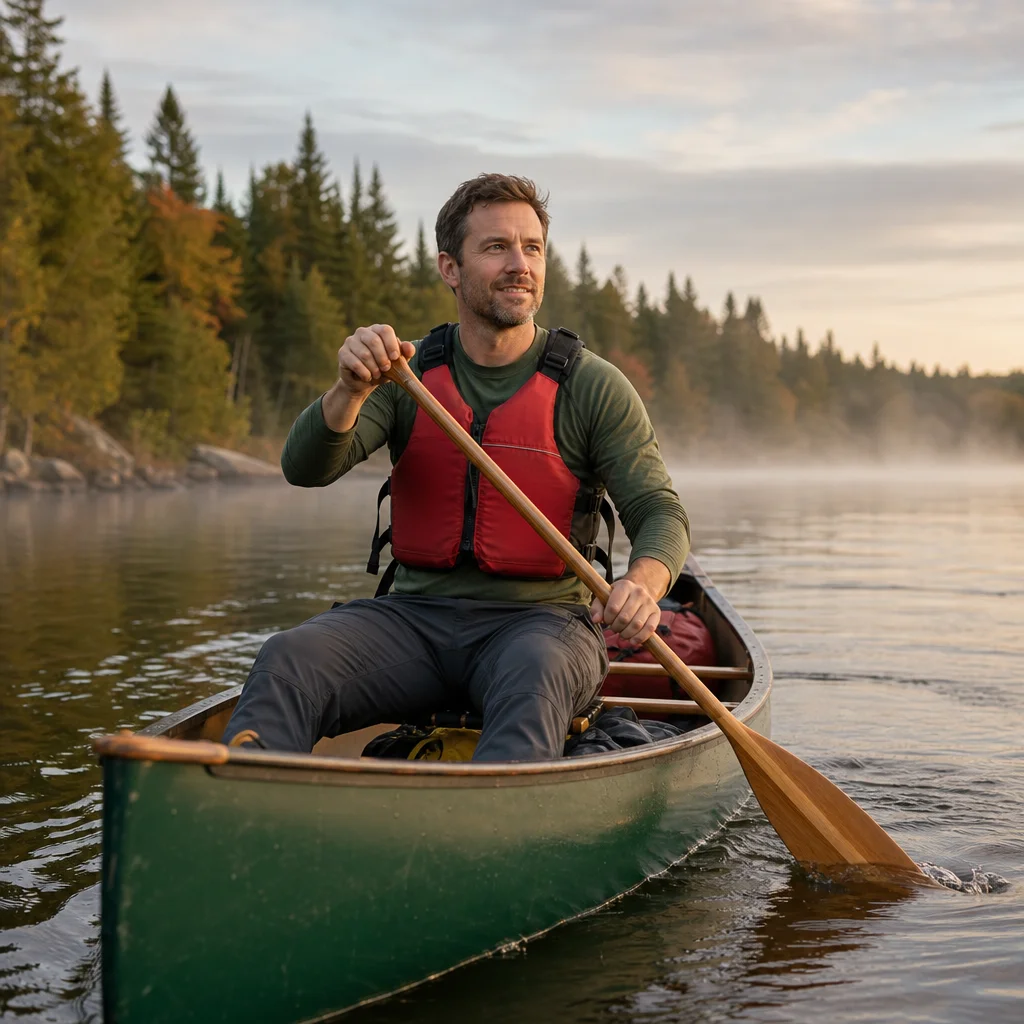
Repeatedly stepping into ankle-deep water to launch or land a canoe usually isn’t a footwear problem alone. It often reveals a rushed approach, an unsuitable shoreline, or an assumption that every landing should be quick and dry.
I think the minimalist solution is to improve the landing routine before adding more gear. A pair of water-friendly shoes still helps, but better decisions about angle, depth, footing, and timing will do more for comfort and control.
Wet feet are useful information
A damp pair of shoes is rarely a serious problem. Repeated wet feet, however, can tell you that the same part of your routine is failing each time.
You may be:
- Approaching the shore straight on when a shallow diagonal approach would be easier.
- Choosing a bank because it looks close rather than because it offers stable footing.
- Trying to keep the canoe perfectly dry instead of accepting a small amount of water in the boat.
- Stepping out before the canoe is stable and positioned securely.
- Carrying footwear that is comfortable in the canoe but unsafe on slippery ground.
- Rushing because your group is waiting or because wind and waves are making the landing feel awkward.
The repeated pattern matters more than the wet feet themselves. If the same kind of shoreline produces the same result, I’d change the landing method before buying anything new.
Start with the approach angle
The straight-in landing is familiar, but it isn’t always the easiest. A canoe that points directly at the bank can run its bow onto shore while the stern remains in moving water. That leaves the boat twisted, unstable, or vulnerable to being pushed sideways while someone tries to climb out.
A shallow diagonal approach often gives you more control. It lets part of the canoe reach the bank while the rest remains aligned with the shoreline. You can then ease the boat in, keep the hull from grinding hard against rocks, and choose where to step or unload.
The exact angle depends on the shore and conditions, but the basic sequence is simple:
- Reduce speed before you reach the shallows.
- Turn slightly so the canoe meets the shoreline diagonally rather than squarely.
- Keep paddling gently until the bow or side is close enough to control.
- Use the paddle as a brace only when you have a solid bottom or stable support; don’t depend on an uncertain stick or loose rock.
- Secure the canoe before shifting your weight toward shore.
In calm, soft shallows, a straight approach may work perfectly well. The point isn’t to force a diagonal landing every time. It’s to stop treating one angle as the only option.
Choose the shoreline, not just the destination
The nearest piece of bank is often not the best landing spot. A few extra paddle strokes can save wet feet, a scraped hull, or an awkward scramble.
Look for a shoreline with several useful features:
- A gentle slope rather than a sudden drop.
- Firm sand, packed gravel, or another surface that won’t shift immediately underfoot.
- Few submerged rocks, roots, branches, or sharp debris.
- Enough room to bring the canoe alongside the bank.
- A place where you can step out without turning your body sideways around the paddle or gear.
- Protection from the strongest wind, current, or boat wake.
A bank that looks easy from a distance may become poor as the water gets shallow. Dark patches can indicate deeper water, mud, or submerged vegetation. A clear-looking strip can hide rocks just below the surface. If you can’t read the bottom confidently, approach slowly and be prepared to back away.
Landing near a public access point also deserves a little awareness. Other paddlers may be launching, landing, or carrying boats through the same space. A quieter spot a short distance away may be safer and less disruptive if local access rules allow it.
Check the landing conditions first: Before your next launch or landing, confirm that the access point is open, permitted for canoe use, and suitable for current water levels and weather. Shorelines and local restrictions can change, so follow notices from the site manager or relevant land and water authority.
Accept a slower setup
Many wet-foot landings happen because the paddler tries to complete too many tasks at once. The canoe is still drifting, the paddle is being used to steady the boat, a dry bag is in the way, and someone is already stepping out.
A slower setup separates those jobs.
Before you reach shore, put loose items where they won’t block your feet. Keep the paddle available. Reduce speed. Decide who will control the canoe and who will handle a bow or stern line if one is being used. Once the canoe is alongside, pause before anyone transfers weight.
That pause is important. A canoe may look settled while it is still floating free. If the person stepping out pushes down on one gunwale, the boat can roll away from the bank. A second person may then lunge after it, creating the kind of unstable movement that leads to a fall.
For a solo paddler, the same principle applies: secure the canoe’s position before standing or stepping out. Keep your weight low, move deliberately, and avoid using the paddle as a substitute for a stable landing plan.
A landing that takes an extra minute is usually more efficient than recovering a drifting canoe, emptying water, or searching for something that fell overboard.
Use footwear for the ground you’ll meet
Minimalist equipment doesn’t mean ignoring footwear. It means choosing one pair that handles the likely conditions instead of carrying separate shoes for every task.
Useful canoe footwear should generally:
- Stay attached to your feet when walking in shallow water.
- Protect your toes from rocks, sticks, and rough ground.
- Provide traction on wet surfaces.
- Drain or dry reasonably well.
- Fit securely without creating pressure points.
Bare feet or loose sandals may feel convenient at a sandy beach, but they become poor choices around rocks, broken shells, submerged branches, or slippery ramps. Heavy boots can protect well but may hold water, restrict movement, or become uncomfortable during a long paddle.
The right choice depends on your route and season. The important habit is to wear footwear that you’re willing to get wet before you reach the landing. If keeping shoes completely dry is part of the plan, you may unconsciously choose worse footing or take unnecessary risks to avoid the shallows.
Keep a dry pair of socks or camp shoes in a genuinely waterproof container if dry feet matter after the landing. A sealed bag is more reliable than a compartment described as merely water-resistant, especially if the canoe swamps or gear is exposed to rain.
Know when getting wet is the safer option
Avoiding wet feet should never become the main safety goal. Sometimes the most controlled landing requires stepping into shallow water. That can be preferable to jumping from the canoe onto an unstable bank, stretching across a gap, or trying to keep the hull perfectly dry on a steep shoreline.
The safer approach is to make the wet landing intentional:
- Check the depth and bottom as well as you can.
- Keep the canoe stable and close to shore.
- Step, don’t jump, while holding a secure part of the canoe if appropriate.
- Keep your center of gravity low.
- Move the canoe onto firm ground only after you have stable footing.
Cold water, strong current, deep mud, and slippery rocks change the calculation. If the bottom is uncertain or the water is deep enough to threaten your balance, choose another landing or remain in the canoe until you can reach a better spot.
A simple landing routine
For casual trips, I’d use this compact checklist:
Before approaching
- Identify more than one possible landing spot.
- Look at wind, current, waves, and the shoreline’s slope.
- Move loose gear away from the exit area.
- Decide whether the landing will be dry, shallow-water, or a carry-out.
At the shoreline
- Slow down earlier than feels necessary.
- Approach at the angle that gives you the most control.
- Keep the canoe alongside the bank rather than letting it swing away.
- Stabilize the boat before shifting your weight.
- Step onto the most secure surface available.
After stepping out
- Hold or secure the canoe before unloading.
- Move it above the reach of waves or current if conditions require it.
- Check footwear and feet for sharp debris before walking farther.
- Notice what made the landing easy or difficult so you can choose better next time.
The lesson behind the wet feet
Repeated wet feet usually point to a habit worth adjusting, not a personal failure. You may need to scout the shoreline earlier, approach on a better angle, leave more room for the canoe to settle, or stop treating a slow landing as an inconvenience.
Start with the smallest change: choose a better bank, slow the approach, and wear footwear designed for wet ground. If the landing is still awkward, practice in calm, shallow water where you can focus on boat position and weight transfer without the pressure of a real destination.
Dry feet are a pleasant result. A controlled landing is the real objective.