The First Time We Packed Too Much Firewood: A Canoe Camping Lesson
I’ll explain how overpacking firewood can strain a canoe, complicate portages, and create campsite problems, then show you how to estimate fuel, check local rules, and pack a cleaner, lighter cooking plan.
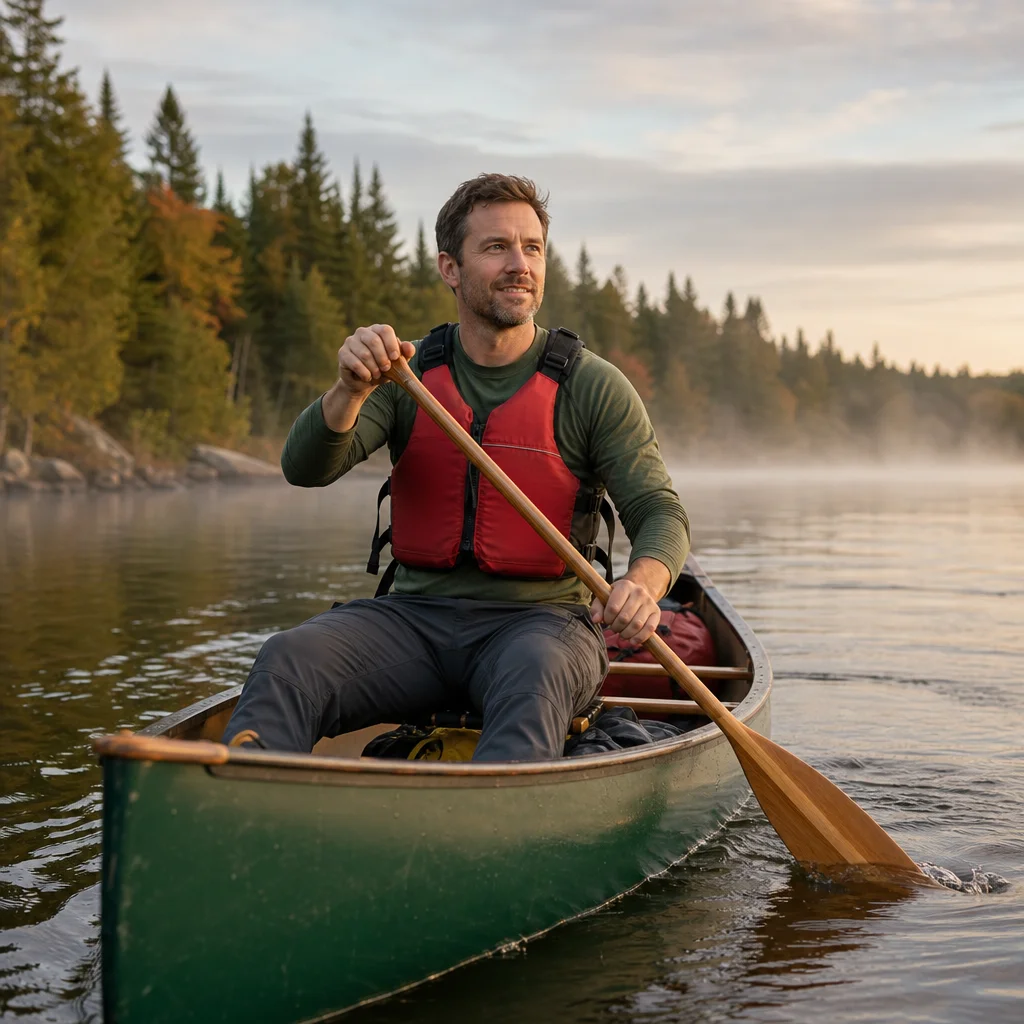
The first canoe-camping trip often produces a familiar packing mistake: bringing enough firewood for an imagined week of cold, wet evenings when the actual trip needs far less. Extra fuel feels reassuring, but firewood is bulky, awkward, and heavy—especially after rain. In a canoe, that excess can affect trim, portaging, hull stress, and the condition of your equipment.
The better lesson isn’t simply “pack less.” It’s to treat firewood as a resource with limits: estimate what you’ll use, understand what the campsite allows, and choose a cooking and warming plan that doesn’t depend on hauling a small forest from the launch.
Why firewood becomes a canoe problem
A bundle of dry wood may not seem significant beside a canoe and a full camping load. Several bundles are a different story. Firewood takes up space that could otherwise hold food, water, or safety equipment, and it rarely packs into a neat, stable shape. Long pieces can catch on gunwales, interfere with paddling, or make a load harder to secure.
Weight matters even when the canoe remains below its stated capacity. A heavily loaded canoe sits lower in the water, leaving less freeboard—the distance between the waterline and the gunwale. Less freeboard means less margin for waves, wakes, sudden movement, and imperfect weight distribution.
Firewood also tends to be loaded late, after the rest of the gear has been arranged. That makes it easy to put a dense bundle at one end or high on top of dry bags. The result can be poor trim, a higher center of gravity, or gear that shifts when the canoe accelerates, turns, or lands on shore.
The long-term reliability angle
Overloading once may not visibly damage a sound canoe, but repeated heavy loads and careless handling can shorten the life of the whole system. A loaded canoe is harder to lift, drag, and carry. That extra effort increases the chance of:
- Scraping the hull over rocks or rough ground
- Dropping the canoe during a portage
- Bending or loosening yoke hardware
- Straining handles, thwarts, straps, and tie-down points
- Crushing dry bags or other equipment under shifting bundles
- Carrying moisture and dirt into storage afterward
The most avoidable damage often happens between launches rather than on the water. A canoe that is technically manageable when empty can become awkward and vulnerable when loaded with dense, irregular fuel. If the load requires dragging the bow, resting the boat on a sharp edge, or forcing a bundle under a thwart, the packing plan is already costing more than the firewood is worth.
A durable setup leaves enough room to lift the canoe normally, keep the load restrained, and unload without using the hull as a workbench.
Estimate the fuel before you pack it
Start with the activities that actually require a fire. Many canoe campers want a fire for three different reasons:
- Cooking
- Evening warmth or light
- Drying damp clothing or gear
Cooking usually requires less wood than people expect, particularly if you carry a small stove for boiling water or preparing meals. A fire used mainly for warmth can consume much more, depending on weather, group size, the fire ring, and the availability of suitable downed wood at the site.
Make a simple trip estimate:
- Number of nights
- Number of people
- Meals that will use a fire
- Whether a stove is available as a backup or primary cooker
- Expected evening conditions
- Whether the campsite permits collecting wood
- Whether the area supplies or sells firewood
Then add a modest contingency rather than doubling the estimate. A backup stove, extra fuel canister, or no-cook meal is often more useful than several additional armloads of wood. It gives you options when the weather is wet or the campsite has little usable fuel.
Separate cooking fuel from campfire fuel
A cooking fire and a recreational campfire have different requirements. Cooking needs predictable heat and a stable way to support cookware. A campfire is usually about comfort and atmosphere. Combining the two can lead to a large fire that burns through fuel quickly while still being inconvenient for cooking.
A compact stove can reduce the amount of wood needed for breakfast, coffee, and emergency meals. It also makes it easier to eat when firewood is wet, fires are restricted, or a late arrival leaves little daylight for gathering fuel.
That doesn’t mean every trip needs a stove, but it does mean firewood shouldn’t be the only plan for getting fed.
Understand the local firewood rules
Firewood regulations vary by jurisdiction, park, forest, campsite, and season. Some places restrict bringing wood from outside an area to reduce the spread of insects and tree diseases. Others limit collection to dead and downed wood, prohibit cutting standing trees, or require campers to purchase approved firewood near the destination. Fire bans and seasonal restrictions can also change the role of a campfire entirely.
Check the destination’s fuel rules: Before you load wood at home, confirm the current firewood transport, collection, purchase, and fire-use requirements with the relevant park, forest, provincial, territorial, state, or local authority. Check again for fire bans and restrictions close to departure, because conditions and rules can change during the camping season.
A rule that applies at one launch or campsite may not apply across the whole route. If a trip crosses a border, state, province, territory, or different land-management area, check each applicable authority. Don’t assume that wood sold near the road is automatically allowed at the campsite, or that collecting a few fallen branches is permitted everywhere.
Following these rules protects forests and prevents a packing mistake from becoming a fine, confiscation, or forced change of plans. It also keeps the group from relying on a fire that can't legally be built.
Pack wood without damaging the canoe
If bringing firewood is allowed and makes sense for the trip, pack it as a controlled part of the load rather than as loose cargo.
Keep it low and centered
Place dense wood near the canoe’s center, below the gunwales, and close to the hull’s bottom. Balance the load between bow and stern. Don’t stack a heavy bundle high on top of food packs or attach it to one end of the canoe.
A center load isn't automatically safe, but it reduces the chance that a single bundle will noticeably change trim or make the canoe feel top-heavy. After loading, sit in the canoe or test the boat at shore in calm, shallow water. Confirm that the paddlers have room to move and that the canoe responds normally.
Contain sharp and wet pieces
Use a durable wood bag, tarp, or dedicated bundle that can be lifted without loose pieces falling out. Covering the wood helps keep bark and dirt away from sleeping gear, though it shouldn’t create a sealed, wet package for long-term storage.
Avoid placing pointed ends against the hull, dry bags, or inflatable equipment. Split pieces can have sharp edges, and wet wood can drip into packs or stay damp long enough to encourage mildew.
Make portages manageable
The best bundle is one that a person can carry securely without twisting, dragging, or needing a second person for an awkward handoff. If the wood makes the canoe too heavy to lift safely, divide it into smaller loads or reduce it. A few additional trips may be less damaging than one overloaded carry, but reducing the total weight is usually the better answer.
Never strap loose wood where it can obstruct a paddler, block a bailer, prevent access to a first-aid kit, or complicate an emergency exit.
Use the campsite’s resources responsibly
Where collection is permitted, use only the type and amount of wood allowed by the land manager. Dead and downed wood isn't automatically available everywhere, and standing dead trees can be hazardous to cut or handle. Avoid damaging live trees, stripping bark, or leaving large piles of unusable branches around the fire ring.
Gathering too much can affect the next camper and reduce habitat value on heavily used sites. Small, manageable pieces are generally more useful than a large supply of oversized logs. Burn what you can consume completely, follow the site’s fire rules, and leave the area free of unburned wood when required.
If a campsite provides firewood, use the designated supply rather than assuming that nearby wood is fair game. If a site has no suitable fuel, treat that as information—not as an invitation to improvise with live vegetation or prohibited materials.
A more reliable fire plan
A low-risk canoe-camping plan has layers:
- Primary cooking method: stove, fire, or both
- Backup cooking method: something that works if the first method is unavailable
- Fuel estimate: based on meals, people, and nights
- Warmth plan: clothing, shelter, sleeping system, and weather protection
- Firewood source: brought legally, purchased locally, or collected where allowed
- Restriction check: current fire bans and site-specific rules
- Packing method: low, balanced, contained, and easy to carry
This approach prevents the common mistake of using firewood as a substitute for planning. More wood can't compensate for inadequate rain gear, a poor sleeping bag, or a missing stove when fires are prohibited. It only adds weight.
Practical next steps before the next launch
First, write down the meals and evenings that genuinely need a fire. Next, check the destination’s current rules and identify where legal firewood can come from. Weigh or physically handle your proposed bundle so you understand what it adds to the canoe and portage load.
Pack the wood low, centered, and contained. Leave room for safety gear, keep a backup cooking option, and test the loaded canoe before committing to the route. If the bundle makes lifting or carrying uncomfortable, remove some before the boat leaves shore.
The useful lesson from packing too much firewood isn't that campfires are a bad idea. It’s that a canoe rewards restraint. Carry enough to support the trip, protect the boat and equipment, respect the campsite, and keep the load manageable from the first paddle stroke through the final unload.