How to Choose Between a Tandem and Solo Canoe
I’ll clarify the real differences between tandem and solo canoes, from coordination and carrying capacity to maneuverability and learning curve. The goal is to help you choose the boat that fits how you actually plan to paddle, not the one that looks best on paper.
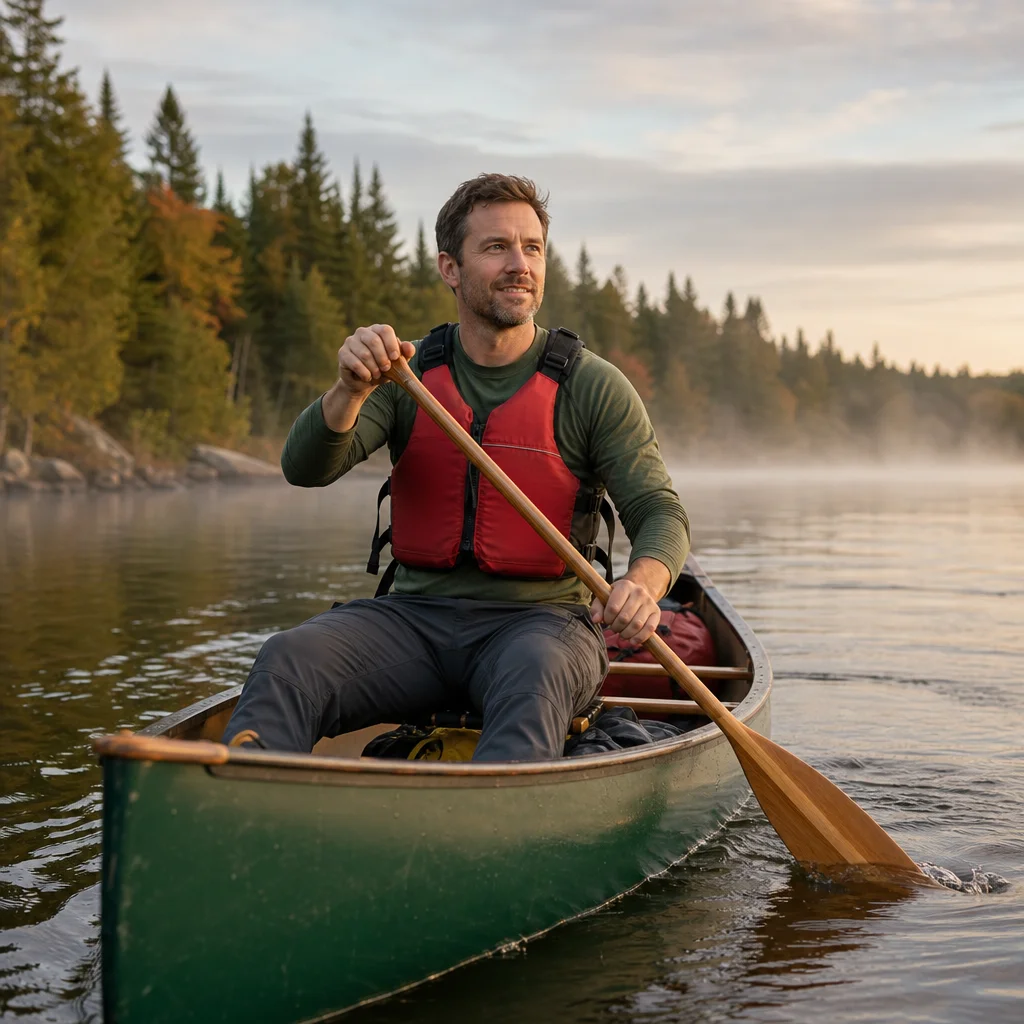
Choosing between a tandem and solo canoe can feel like a choice between sharing the work and doing everything yourself. In practice, the better option depends on who will paddle, what you’ll carry, where you’ll travel, and how much control you want over the boat.
For beginners and returning paddlers, the simplest starting point is this: choose a tandem canoe if you regularly paddle with another person or need substantial carrying capacity. Choose a solo canoe if you usually paddle alone and value direct control, easier handling, and a smaller load.
Start with how you’ll actually use the canoe
A tandem canoe is designed for two paddlers, usually with seats near the bow and stern. It can also be paddled by one person, although its length, width, and seat placement may make solo handling less convenient.
A solo canoe is built around one paddler. The seat is generally near the center, allowing the paddler to reach both sides of the boat without constantly working from the stern. Some solo canoes are compact and responsive; others are long enough for efficient travel and significant gear.
Neither design is automatically more stable, safer, or easier. Hull shape, width, rocker, length, load, wind, and paddler technique all matter. The label tells you how the canoe is intended to be used, not exactly how it will behave on the water.
Tandem canoes: more room and shared effort
The main advantages
The biggest benefit of a tandem canoe is shared capacity. Two paddlers can divide the work, carry more camping equipment, and make longer trips more practical. A tandem also gives you room to bring a child, dog, or additional supplies, depending on the boat’s capacity and how they’re secured.
Tandems are often a sensible choice for:
- Family outings
- Fishing with a partner
- Camping trips with bulky equipment
- Paddlers who prefer company
- Groups that want one boat to serve several purposes
A tandem can feel reassuring for a new paddler because another person is present to help with navigation, balance, and decisions. That reassurance is useful, but it doesn’t eliminate the need for both paddlers to learn basic strokes and safety skills.
The coordination challenge
The trade-off is coordination. Two people need to agree on direction, speed, turning, and when to stop. If the bow paddler and stern paddler work against each other, even a well-designed canoe can feel awkward.
A simple division of responsibilities helps. The stern paddler usually controls more of the steering, while the bow paddler provides power, watches for obstacles, and communicates what lies ahead. Both paddlers should use clear, brief commands rather than trying to correct one another mid-stroke.
A tandem canoe isn't automatically the better beginner boat if the paddlers have very different expectations. One person may want a relaxed outing while the other wants to cover distance quickly. Discussing pace and route before launching can prevent a surprisingly serious argument about a small bend in the river.
Carrying and transporting a tandem
Tandem canoes are commonly longer and heavier than solo canoes. That extra size can improve tracking and carrying capacity, but it also affects storage, roof loading, portaging, and shoreline handling.
If you’ll regularly move the canoe without help, check the actual weight and carry points rather than relying on a general category. A boat that is manageable on the water may be inconvenient between the vehicle and the launch.
Solo canoes: direct control and independence
The main advantages
A solo canoe gives one paddler direct control over every decision. You choose the pace, route, stopping points, and recovery plan without needing to synchronize with anyone else.
Solo canoes are often a good fit for:
- Quiet day trips
- Narrow waterways and smaller lakes
- Paddlers who frequently go alone
- Lightweight camping setups
- People who enjoy practicing technique
Because the seat is positioned for one person, a solo canoe can be easier to turn and correct than a tandem canoe being paddled alone from the stern. The boat responds to your strokes in a more immediate way, which can make learning satisfying once you understand the basics.
The responsibility is all yours
That direct control comes with more responsibility. You need to manage propulsion, steering, balance, navigation, weather awareness, and emergencies yourself. A solo canoe can make a routine trip feel beautifully simple, but there’s no second paddler to take over if you become tired or distracted.
For that reason, solo paddlers should be conservative about route choice and conditions. A manageable lake on a calm morning may be a poor choice after wind rises, especially if the route has limited landing spots or cold water.
Check your solo-launch requirements: Before heading out, confirm local rules for required flotation, lights, registration, access permits, and any restrictions on the waterway you plan to use. Requirements can vary by jurisdiction, season, and craft type.
Solo doesn't mean tiny
Some people picture a solo canoe as a short boat with almost no room for gear. That’s only one design approach. A longer solo canoe may track efficiently and carry enough equipment for a short camping trip, while a compact model may prioritize maneuverability and easy transport.
Look at the intended load range. A solo canoe that feels lively with one paddler may become sluggish or unstable when loaded with camping equipment. Conversely, a large boat can feel unnecessarily cumbersome if you mostly take short outings with little gear.
Stability, maneuverability, and learning curve
Stability is more than width
A wider canoe often feels steadier when you first sit in it, but initial stability is only part of the picture. A canoe’s secondary stability, hull shape, seat height, and load distribution affect how it behaves when leaned or disturbed.
A tandem canoe may feel stable because it is wider and carries more weight, but an unevenly loaded boat can become difficult to control. A solo canoe may feel less familiar at first because your position is centered and your movements have a more noticeable effect.
The most useful test isn't whether the canoe feels immovable. It’s whether you can sit comfortably, make small corrections, and remain relaxed when the boat moves beneath you.
Maneuverability favors the right design, not always the smaller one
Shorter, rockered canoes generally turn more easily, which is helpful on winding streams and around obstacles. Longer, straighter canoes often track better, making them efficient on open water but less nimble in tight channels.
Many solo canoes are maneuverable because they’re designed for one paddler’s position and control. A tandem can also turn well when both paddlers understand their roles. The bow paddler can help initiate a turn while the stern paddler controls the direction and finish.
If you’ll paddle mostly on open lakes, efficient tracking may matter more than quick turning. If you’ll explore narrow rivers, maneuverability and easy corrective strokes may be more valuable.
The learning curve is different
A tandem canoe can be easier to manage physically because two people share the work, but it introduces communication and timing. A solo canoe simplifies the partnership problem while asking more from one person’s technique and judgment.
For a first outing, either design can work if the conditions are calm, the route is short, and instruction is available. Beginners often progress fastest when they practice basic forward, reverse, stopping, and turning strokes close to shore before attempting a longer trip.
A simple decision guide
Choose a tandem canoe if most of these statements describe you:
- You usually paddle with another person.
- You carry camping gear, fishing equipment, or family supplies.
- You want to share paddling effort.
- You need one versatile boat for occasional solo use and regular tandem outings.
- Your storage and transport setup can handle a larger boat.
Choose a solo canoe if most of these statements fit better:
- You usually paddle alone.
- You prefer controlling the route and pace yourself.
- You value maneuverability and responsive handling.
- You travel with a modest amount of gear.
- You want a boat designed around one person rather than adapted for solo use.
If the results are evenly split, prioritize your most frequent use. A boat that suits your typical outing is usually more useful than one that handles a rare scenario perfectly.
What to check before buying or renting
Sit in the canoe if possible, preferably with the kind of clothing and gear you’ll actually use. Check whether your knees, feet, and hips have comfortable support. Ask about the boat’s weight, capacity, intended water, and whether the seat position can be adjusted.
For a tandem, imagine the two paddlers you’ll most often pair together. Can both reach the seats comfortably? Is there enough room for your normal equipment? For a solo canoe, place your likely load in the boat and consider whether it still has adequate freeboard and balanced trim.
Renting each style for a short, calm outing can reveal more than specifications alone. Pay attention to how easily you can launch, carry, turn, stop, and recover from a minor wobble. Those ordinary moments usually matter more than top speed.
Practical next steps
Decide first whether your normal trip is solo or shared, then estimate the gear and distance you realistically carry. Compare weight and capacity alongside stability and maneuverability, and test both styles before committing if you can.
For many paddlers, the answer is straightforward: a tandem for shared trips and extra capacity, or a solo canoe for independent travel and direct control. Choose the design that makes your usual outing easier to organize and more comfortable to paddle. That's the canoe you're most likely to use well.