Canoe Safety for Small Children: What Adults Need to Control
I’ll compare the safety choices that matter most when young children ride in a canoe, from approved flotation and stable seating to weather limits and trip length, so parents can keep the outing simple, controlled, and appropriate for the child’s age and ability.
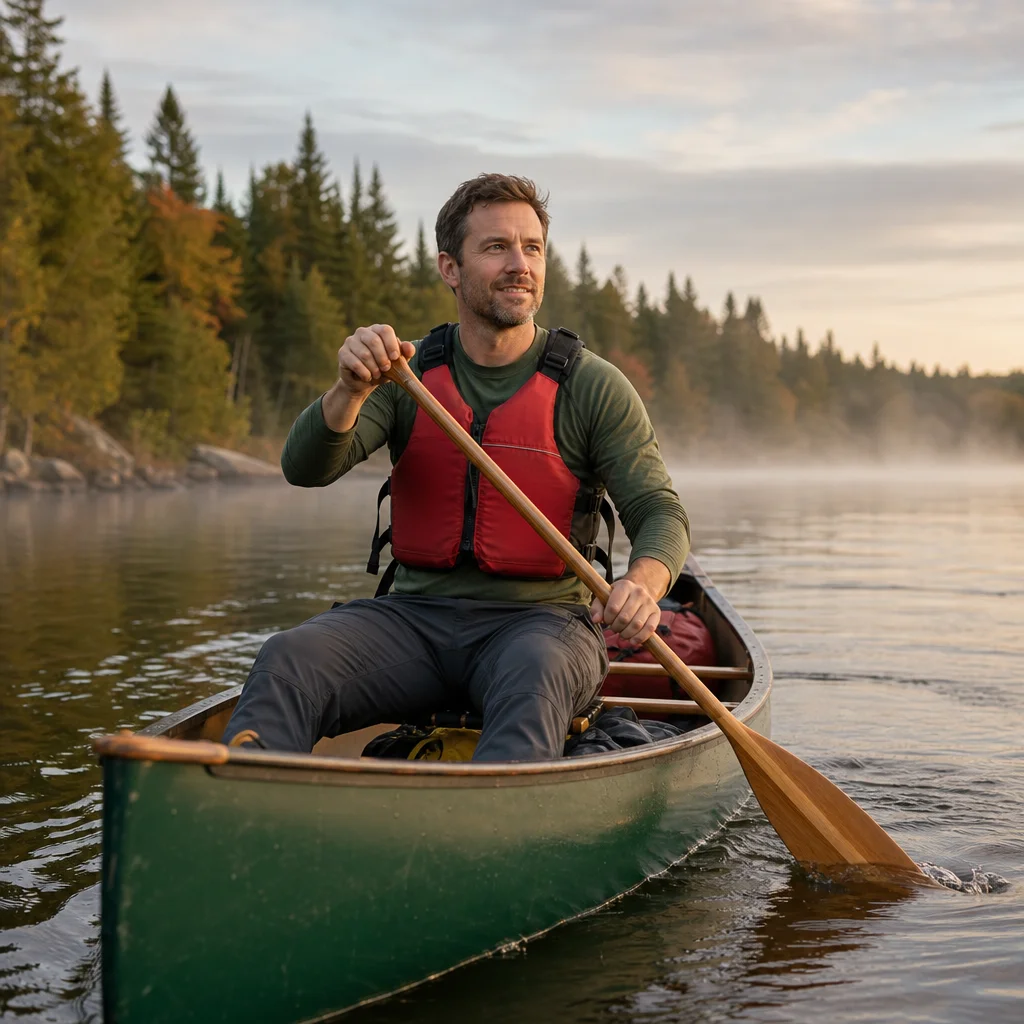
Small children can enjoy a canoe trip, but they can’t manage the risks that adults can see coming. An adult has to control the boat, the route, the weather decision, the child’s position, and what happens if someone falls in.
The safest approach is usually the minimalist one: fewer passengers, less gear, calmer water, shorter outings, and clear rules. You don’t need to turn a family paddle into a military exercise, but you do need to remove as many preventable problems as possible.
Start with the right trip, not the right equipment
A canoe that feels manageable on a quiet pond may become difficult in wind, current, cold water, or boat traffic. For a first outing with a small child, choose a sheltered area with an easy launch, short distances, and a simple route back to shore.
Look for:
- Calm, protected water rather than exposed lakes or moving water
- A nearby shoreline or landing option throughout the trip
- Minimal motorboat traffic
- A forecast with a wide margin for changing conditions
- A route that remains manageable if you need to return immediately
- A launch area where you can load the child while keeping the canoe steady
Trip difficulty isn't just about paddling distance. Wind, waves, water temperature, remoteness, and the number of adults all change the level of risk.
A child who is happy for 20 minutes may not be happy for two hours. Plan the first outing around the child’s attention span and tolerance, not the distance you hope to cover.
Check the local rules before launching: Confirm the current life-jacket requirements, age or size provisions, vessel rules, and any restrictions for the specific state, province, territory, park, or waterway. U.S. Coast Guard, state boating agencies, Transport Canada, provincial or territorial authorities, and park operators may apply different requirements.
Put flotation on the child before the canoe moves
Every child should wear a properly fitted, approved personal flotation device (PFD) from the moment they are near the water until they are safely away from it. Keeping the PFD in a dry bag until the canoe is afloat creates an unnecessary gap in protection.
Choose a child’s PFD based on the child’s current weight range and body fit, following the label and the applicable approval system. In the United States, look for U.S. Coast Guard approval. In Canada, use a device approved under the applicable Canadian requirements. A device that is legal in one country may not satisfy the rules in the other.
A good fit should:
- Match the child’s current weight and size range
- Be snug without restricting normal breathing
- Have all fasteners secured as designed
- Stay in place when the child is lifted by the shoulders of the device
- Include a head-support feature when appropriate for the child and device type
- Allow the child to sit and move safely without riding up excessively
Test the PFD in shallow, controlled water before a real trip if the child has never worn it. This can reveal discomfort, fear, or poor fit while an adult still has easy access to the child.
Don't rely on inflatable devices, swim aids, water wings, or ordinary clothing as substitutes for a properly fitted child PFD. A PFD also isn’t a license to leave a child unattended. It improves the odds of keeping the airway above water; it doesn’t remove the need for immediate supervision.
Assign one adult to watch the child
If two adults are in the canoe, decide in advance who has primary responsibility for the child. Otherwise, each adult may assume the other is watching during a launch, meal break, or moment of confusion.
The supervising adult should stay close enough to physically intervene. That means remaining within reach when practical, keeping the child in view, and avoiding distractions such as phone use, photography, fishing, or extended conversation while the canoe is moving.
If the child falls into the water, an adult may have to keep hold of the canoe, maintain contact with the child, call for help, or get both of them to shore. A second adult can help, but don’t build the plan around a rescue that requires a perfect response from everyone.
Alcohol, cannabis, sedating medication, and exhaustion reduce the quality of supervision and paddling decisions. The adults responsible for the child and canoe need to remain unimpaired and alert for the entire outing.
Choose a seating position that limits movement
Small children should sit low and near the center of the canoe, in a position that keeps the boat balanced and gives an adult immediate access. Exact placement depends on the canoe’s design, the number of passengers, and the child’s size, but the general goal is stable weight distribution and limited opportunity for sudden movement.
A child shouldn't sit on the gunwale, bow, stern, or a raised surface. Avoid makeshift seats, coolers, and loose gear that can become unstable or create a tripping hazard. A child who is too young to sit steadily may need a different outing rather than a clever arrangement inside the canoe.
The adult controlling the canoe should be able to paddle effectively while monitoring the child. If the child’s position forces the paddler to twist constantly, blocks emergency movement, or makes the canoe difficult to balance, the setup isn’t suitable.
Keep heavier gear low and centered. Secure it so it won’t shift if the canoe tilts, but don’t fill the boat with so much equipment that you can’t reach the child or move safely during a capsize.
Make movement rules simple and specific
“Be careful” is too vague for a young child. Use a few rules they can understand and repeat before launch:
- Stay seated or kneeling in the assigned place.
- Keep hands and feet inside the canoe unless an adult says otherwise.
- Don’t lean over the side.
- Don’t grab branches, docks, or passing boats.
- Ask before reaching for anything.
- If the canoe tips, stay with the canoe and listen to the adult.
Expect the child to test the rules. Hunger, boredom, cold, heat, and the sight of wildlife can produce sudden movement even when the child understood the briefing. Bring a quiet activity that can be used without shifting position, and plan a shore break before restlessness becomes a stability problem.
Don't tie a child to the canoe or attach the child to an adult with a leash. Entanglement can make a capsize more dangerous. The child’s PFD should be the only flotation worn, unless a qualified professional has specified other equipment for a particular situation.
Set firm weather and water limits
Wind is one of the most important limits for a family canoe trip. A small child may not be able to brace, follow instructions during a wave, or tolerate a long return against the wind. If conditions are deteriorating, turn back while the decision is still easy.
Avoid launching when thunderstorms are nearby or forecast conditions could produce dangerous wind, waves, lightning, or rapidly changing visibility. Cold water deserves special caution: a child can lose useful movement and coordination quickly after an unexpected fall, even on a warm day.
Check conditions from reliable local sources shortly before leaving and watch the sky and water during the trip. Forecasts, advisories, park closures, and water levels can change. A route that is appropriate in the morning may not be appropriate after wind rises or rain increases the current.
Keep the first trips short and easy to abandon
A realistic first trip might be a brief paddle near shore with a planned stop, rather than a long crossing or an ambitious loop. The right duration depends on the child, conditions, and adult capacity, but the adult should be willing to end the trip at the first signs of fatigue, cold, overheating, fear, nausea, or repeated attempts to stand.
Pack the minimum that supports a safe return:
- Properly fitted, approved PFDs for every passenger
- A communication device protected from water
- Water and simple food
- Weather-appropriate clothing and a dry change for the child
- Sun protection and insect protection suitable for the child
- A basic first-aid kit
- A bailer or other means to remove water
- Any required safety equipment for the canoe, location, and conditions
The exact required equipment varies by jurisdiction, vessel, waterway, and time of year. Keep critical items reachable rather than buried under camping equipment.
Tell a reliable person where you’re going, when you expect to return, who is in the canoe, and what to do if you’re overdue. On remote water, account for weak phone coverage and consider whether your communication plan still works away from shore.
Know what to do if the canoe capsizes
Before launching, explain the response in calm language: hold onto the canoe, keep the PFD on, move away from hazards, and listen for instructions. Don’t promise a child that the canoe can never tip. A simple, honest plan is less frightening than treating a capsize as impossible.
If the canoe overturns, the adult’s priorities are keeping the child’s airway clear, maintaining contact, avoiding entrapment, and getting to a safe shore or stable position. Stay with the canoe when doing so is safer than swimming separately, particularly in cold water, current, or poor visibility. Avoid standing in moving water where your feet could become trapped.
Practice the basics in warm, shallow, controlled water only if the adults are capable of managing the exercise safely. A practice session should build familiarity, not create a staged emergency with an unprepared child.
A simple decision check before launch
Ask these questions before every outing:
- Is the water calm and sheltered enough for this child and these adults?
- Does every passenger have the right PFD, fitted and worn correctly?
- Can one adult stay focused on the child while another controls the canoe, if available?
- Can we reach shore quickly from throughout the route?
- Is the weather and water temperature appropriate for the plan?
- Can we return immediately without crossing exposed water?
- Do we have a clear response if the child becomes cold, upset, or uncooperative?
If any answer is no, change the plan or postpone it. The best canoe outing for a small child isn't the longest one or the most adventurous one. It’s the one where the adults retain control, the child remains comfortable, and returning to shore is always a straightforward option.