How to Board a Canoe From a Beach Without Rocking It
I’ll explain how to choose a stable beach entry, place the paddle, and transfer weight without rocking the canoe. You’ll also learn how partners should coordinate, when shallow water helps, and when a different launch spot is the safer choice.
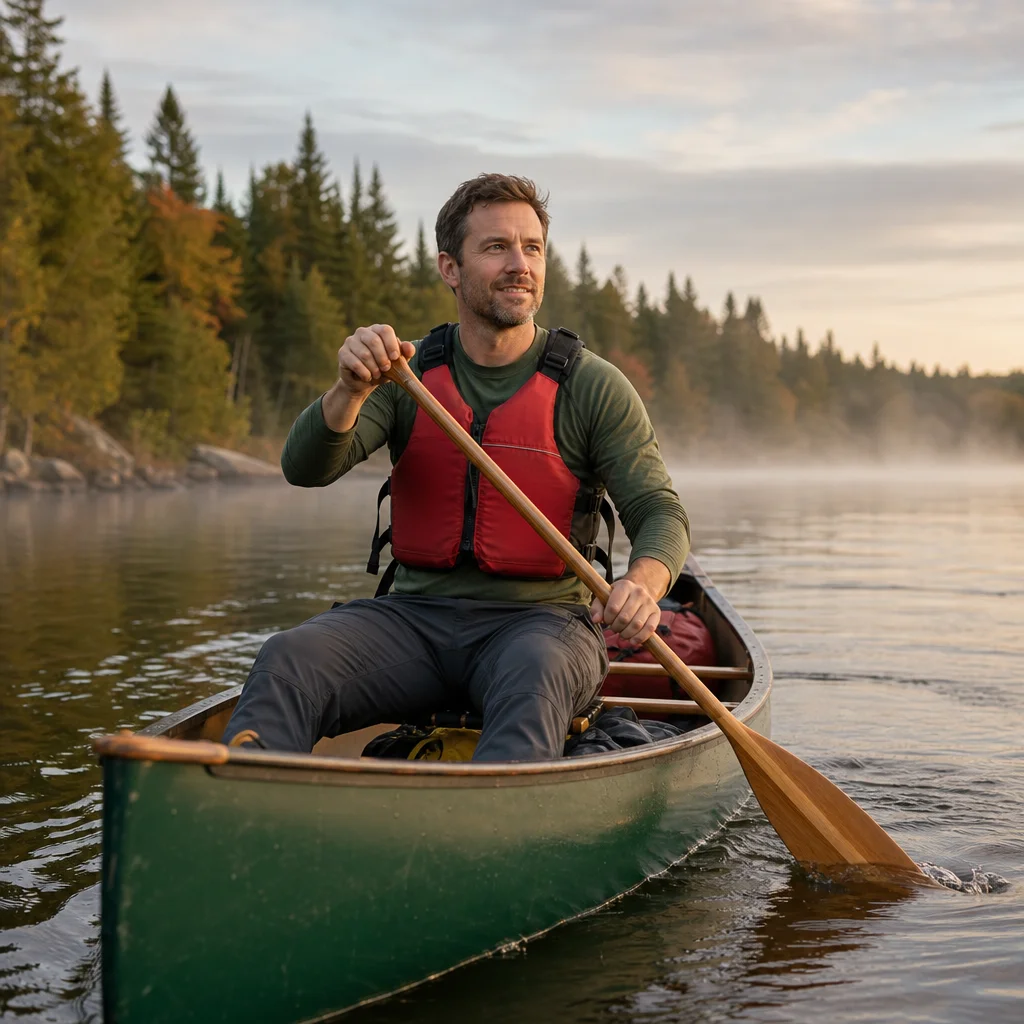
Boarding a canoe from a beach looks simple until one misplaced foot sends the hull rolling toward the water. The safest approach is controlled rather than quick: choose a stable launch area, keep the canoe supported, and move your weight along the centerline.
The exact method changes with the canoe, shoreline, water depth, and whether you’re boarding alone or with a partner. The goal stays the same: keep the hull level while each person makes one deliberate move at a time.
Choose the Right Part of the Beach
Look for a gently sloping shoreline with firm footing and enough water to float the canoe once you push it out. A smooth sand or gravel bottom is generally easier to manage than mud, loose cobbles, or a steep bank.
Avoid launching where:
- Waves are pushing the canoe sideways
- Current is pulling the boat away from shore
- Rocks or logs sit just below the surface
- Weeds can wrap around your feet or the paddle
- The bottom drops sharply a short distance from shore
- Other boats or swimmers leave little room to maneuver
A beach that is convenient for carrying may be poor for boarding. If the canoe will scrape heavily on rocks, or if you can’t keep both feet secure while stepping in, move along the shoreline and look for a better section.
Set the canoe at a useful angle
For most beach entries, point the bow toward open water and keep the canoe roughly straight with the shoreline. Let the stern remain in shallow water or lightly on the bottom while the bow floats. This gives the boat some support without allowing it to swing freely.
On a very shallow, firm beach, you may leave more of the hull supported by the bottom. On a soft or uneven bottom, push the canoe farther out until it floats evenly. Don’t force a heavily loaded canoe across rocks just to reach deeper water; that can damage the hull and make the boat harder to control.
Prepare the Canoe Before Anyone Steps In
Put packs, coolers, and loose equipment in the canoe before boarding, but keep the load low and centered. Heavy items should be close to the middle of the hull rather than piled high at either end. Secure anything that could roll underfoot or float away.
If the canoe has adjustable seats or foot braces, set them before you board if possible. Otherwise, make adjustments only after the canoe is in calm, deeper water and everyone is stable.
Place a paddle across the canoe near the entry position. The shaft should rest across both gunwales, with the blade extending toward shore and resting flat on the bottom. This creates a temporary brace. Keep one hand on the shaft as you enter, but don’t treat the paddle as a handrail or put your full body weight on it. A paddle can slip, bend, or become wedged between the hull and bottom.
The paddle works best when the blade has firm contact with the bottom and the canoe is shallow enough for that contact to remain steady. If the water is too deep for the blade to reach, use a partner to stabilize the canoe instead.
The Basic Solo Entry
A solo paddler can use the following sequence when the canoe is parallel to the beach or pointed slightly offshore:
- Pull the canoe into position. Keep the bow pointed away from shore and the hull as level as possible. Make sure the canoe won’t drift into deeper water before you’re ready.
- Stand beside the center of the canoe. Face the canoe rather than stepping toward one end. The middle is usually the most stable place to enter.
- Place the paddle as a brace. Rest the shaft across both gunwales, with the blade flat on the bottom on the shore side. Keep one hand on the shaft and one hand on the near gunwale.
- Lower your center of gravity. Bend your knees and place your first foot on the floor along the canoe’s centerline. Avoid stepping onto the seat, gunwale, or a side flotation chamber.
- Transfer weight gradually. Bring your second foot into the canoe only after the first foot is secure. Keep your hips low and your shoulders over the middle of the boat.
- Move to your seat without standing. Crawl or slide along the centerline, using your hands for balance. Once seated, retrieve the paddle and push the canoe into deeper water.
The common mistake is to step from the beach onto one side of the canoe and then pivot toward the seat. That puts your weight far from the centerline and creates the sudden roll most beginners are trying to avoid.
If the canoe is already floating freely, don’t chase it from shore or leap into it. Pull it back, ask for help, or use a shallower section where the hull can be controlled.
Boarding a Tandem Canoe With a Partner
With two paddlers, assign roles before either person moves. One person stabilizes the canoe; the other boards. Clear communication matters more than speed.
The shore-side partner should hold the canoe firmly at the near gunwale around the middle, not at the bow or stern. Keep the hull from moving sideways, but don’t pull the canoe sharply toward shore while the other person is stepping in.
The first paddler should usually be the person who can board most confidently and control the canoe from inside. In many family situations, that’s an adult. The exact order may depend on weight distribution, seat layout, and who will paddle from the bow or stern. The important point is that the first person should enter without forcing the canoe’s bow or stern deeply into the bottom.
A reliable sequence is:
- Float or position the canoe so the entry area is supported.
- Have the shore-side partner hold the near gunwale at the middle.
- The first paddler places one hand on the opposite gunwale and one on the near gunwale or paddle brace.
- The paddler lowers into the canoe, keeping both feet near the centerline.
- Once seated, the first paddler takes over stabilization from inside.
- The second paddler enters using the same three-point approach: two hands and one foot, followed by the second foot.
The person already in the canoe should resist the urge to grab the second paddler’s arm and pull. That can shift the canoe unexpectedly. Instead, stabilize the opposite gunwale and give short instructions such as “ready,” “step,” and “sit.”
Keep weight balanced between seats
If one paddler is much heavier, or if one person brings most of the equipment, the canoe may sit noticeably low at one end. That doesn’t automatically make boarding unsafe, but it can make the entry more sensitive. Load gear to offset the imbalance and avoid adding a large movement at the low end while the other person is entering.
For children, an adult should control the canoe and give the child a clear route. Don’t allow a child to climb over a seat, stand in the hull, or hold onto a loose pack while boarding.
Check the launch conditions first: Before stepping in, confirm the current shoreline access rules, required flotation equipment, weather, wind, water temperature, and any local warnings. Requirements and conditions vary by location and can change during the season, so use current local information rather than assuming a familiar beach is still suitable.
When to Board in the Water Instead
A beach entry isn’t always the best option. If the shoreline is too steep, the bottom is slippery, or waves are repeatedly turning the canoe, wading in a short distance may be more stable—provided the water is shallow, the bottom is safe, and everyone is prepared for getting wet.
In that method, float the canoe in water shallow enough to stand in, keep it parallel to shore, and board with the same low, centerline movement. Water shoes can protect feet from sharp rocks, but they don’t eliminate the risk of a hidden drop-off or entangling vegetation.
Choose another launch spot entirely when:
- You can’t maintain secure footing
- The canoe won’t float without scraping hard
- Wind or current keeps moving the hull
- The water is cold enough that an accidental swim would be dangerous
- The beach leaves no safe room to turn or push off
- The canoe is overloaded or difficult to control
A longer carry to a calm, gently sloping shoreline is usually a better trade-off than trying to make a difficult entry look easy.
Mistakes That Cause Most Rocking
Stepping on the gunwale: The narrow side of a canoe isn't a step. It concentrates your weight high and to one side.
Standing upright: A tall posture raises your center of gravity. Stay crouched or seated until the canoe is clear of the beach.
Boarding at the bow or stern: The ends move more than the middle. Enter near the center or directly beside your assigned seat.
Leaving gear in the entry path: A loose pack underfoot can turn a stable step into a stumble. Load first, then clear the route.
Trying to steady the canoe from the wrong place: Holding the bow or stern gives you less control than holding near the middle.
Rushing because the canoe is drifting: A drifting canoe should be brought back under control. Hurrying after it usually makes the movement less predictable.
A Simple Beach-Entry Checklist
Before boarding, confirm:
- The bottom is firm enough for secure footing.
- The canoe is supported or held near the middle.
- The paddle is positioned as a brace when the bottom is shallow enough.
- Gear is low, centered, and out of the way.
- Everyone knows who boards first and who stabilizes the canoe.
- Each person will use two hands and one foot before transferring weight.
- The route to the seat is clear.
Board slowly, keep your weight over the centerline, and treat the paddle as a brace rather than a crutch. If the beach, water, or load makes those steps difficult, changing the launch location is the sensible decision—not a failure of technique.