What to Ask a Land Manager Before Launching at an Unfamiliar Site
When a launch appears open online but the gate, permit rules, or parking arrangements are unclear, I use a short conversation with the land manager to prevent wasted miles, surprise fees, and a last-minute change of plan.
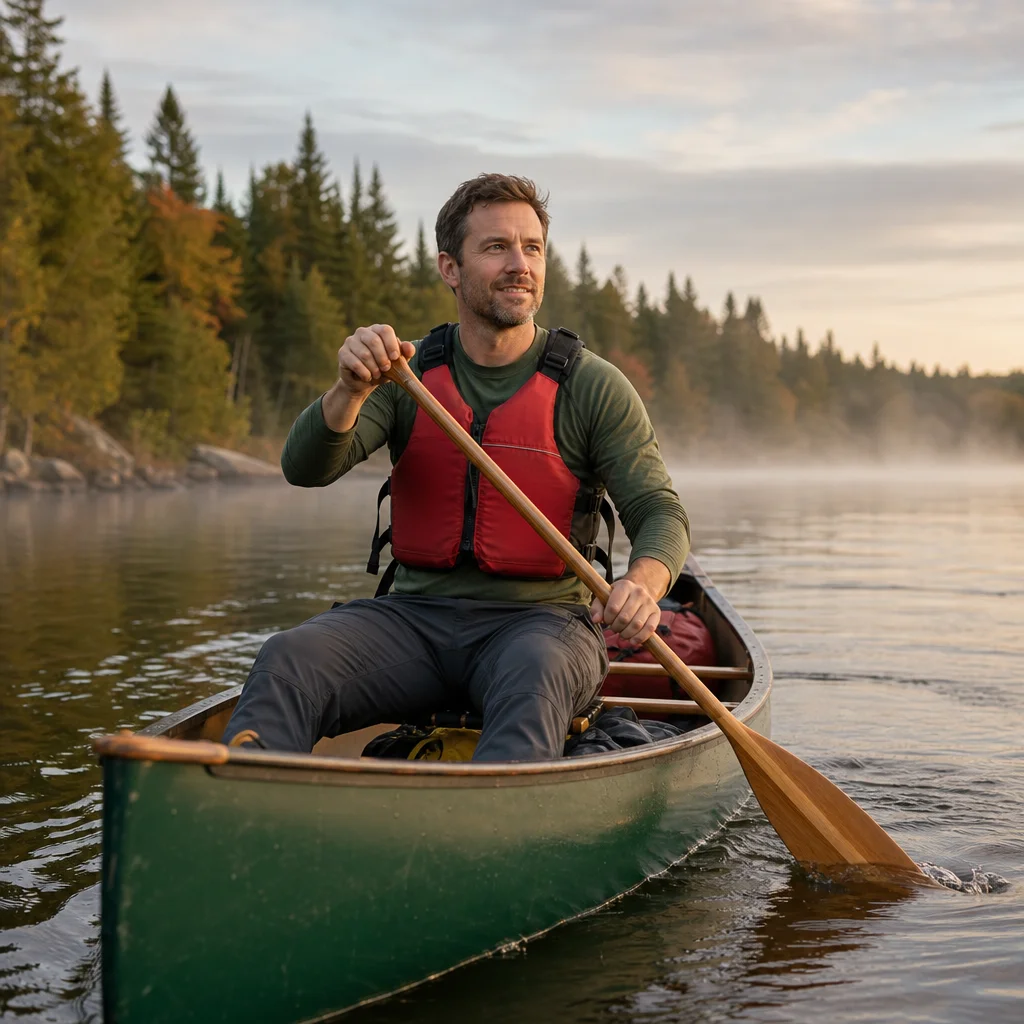
A launch can look perfectly suitable on a map and still be unavailable when you arrive. A locked gate, seasonal closure, restricted parking, or permit requirement can turn a simple paddle into a wasted drive and an awkward search for another put-in.
Before visiting unfamiliar water, I’d contact whoever manages the access site and ask specific questions. The goal isn’t to collect every detail about the waterway. It’s to confirm that you can legally and practically arrive, unload, launch, park, and leave during your planned visit.
Identify the right land manager
Start by determining who controls the actual launch area. The agency responsible for the river, lake, or shoreline may not manage the road, parking lot, dock, or campground beside it.
Possible contacts include:
- A municipal parks or recreation department
- A state, provincial, or territorial park office
- A national park, national forest, or other federal agency
- A county or regional conservation authority
- A wildlife refuge or wildlife management area
- A private campground, marina, outfitter, or landowner
- An Indigenous government or organization with jurisdiction over access areas
A mapping app, paddling website, or social media post can help you locate a site, but it may not reflect the current rules. Use it to find the name of the access point, then look for the official managing organization and its direct contact information.
If several organizations appear to be involved, ask each one about the part of the trip it controls. The person managing the parking lot may know nothing about downstream closures, while a park office may not know whether a gate is locked before opening hours.
Confirm the current access details: Before relying on an online listing, check the managing organization’s current website, recorded announcement, or phone contact. Ask whether the information applies to the exact launch you plan to use and to your intended date.
Ask whether the launch is open
Begin with the most basic question: “Is this launch open to the public on the date and time I’m planning to arrive?” Then clarify what “open” means.
Ask about:
- Daily opening and closing hours
- Seasonal operating dates
- Gate hours and gate-locking procedures
- Whether launch access differs from parking access
- Whether the site is open on weekends and holidays
- Temporary closures for construction, flooding, events, hunting, or environmental protection
- Whether access is limited to campers, residents, permit holders, or customers
Some places permit people to carry a canoe to the water outside normal office hours but prohibit vehicle entry after the gate closes. Others may allow parking only during posted hours. That distinction matters if you’re bringing a heavy boat, transporting children, or planning a late takeout.
Ask how early you may arrive and how late your vehicle can remain. “Open all day” isn't always the same as “leave your car overnight.”
Confirm the exact launch rules
A shoreline that looks usable may not be an approved put-in. Ask whether canoes and kayaks may launch from the specific location you have identified, rather than assuming that public access to the land includes boating access.
Useful questions include:
- Is launching a canoe permitted from this site?
- Is there a designated ramp, beach, dock, or carry-in path?
- Are motorized and nonmotorized launches separated?
- Is hand-carry access allowed if the ramp is busy or closed?
- Are there restrictions on dragging boats across vegetation or private shoreline?
- Is unloading at the ramp limited to a certain amount of time?
- Are trailers allowed, or is the site intended for car-top boats only?
- Are dogs, fishing, swimming, or camping subject to separate rules?
Ask about the condition of the route from the parking area to the water. A short carry on a maintained path is very different from a steep, muddy, rocky, or seasonally flooded trail. This information can influence whether you bring wheels, a second person, or a lighter boat.
Check parking and unloading logistics
Parking problems are among the easiest ways to waste a trip. Confirm where you’re allowed to stop while unloading, where you should move the vehicle afterward, and whether the lot fills early.
Ask the land manager:
- Is parking included with launch access?
- Is a separate parking pass required?
- Are spaces reserved for trailers, day users, or overnight guests?
- Can a vehicle remain in the lot for the entire paddle?
- Is overnight parking allowed for a shuttle or multi-day trip?
- Are there vehicle-height, length, or trailer restrictions?
- Is roadside parking prohibited even when the official lot is full?
- Does the lot have a gate, and who can be contacted if it won’t open?
- Is there a safe place to unload without blocking other users?
Also ask whether the lot is monitored and whether valuables should be removed from the vehicle. The land manager may not be able to guarantee security, but staff can often explain common problems and less conspicuous parking options.
If you’re arranging a shuttle, confirm that both the launch and takeout allow the type of parking you need. A site that works for a day trip may not work for leaving a second vehicle overnight.
Ask about permits, fees, and payment
Permit systems vary widely. A free launch may still require registration, while a site with a day-use fee may have separate charges for parking, camping, or vehicle entry.
Ask these questions directly:
- Is a launch permit required?
- Is a day-use, parking, or vehicle permit required?
- Can I buy it online, or must I obtain it at the site?
- Does the permit apply to the boat, the vehicle, the paddler, or the whole group?
- Is the fee per day, per vehicle, per person, or per watercraft?
- Are reservations required or merely recommended?
- Is cash accepted if the payment kiosk is offline?
- Can I pay with a card or mobile device where there is no cell service?
- Are permits transferable if weather or a closure changes the plan?
Prices, payment methods, reservation systems, and fee policies can change. Record the exact name of any permit and save a receipt, confirmation email, or screenshot where it will be available offline.
For a small group, compare the total cost of the intended site with a nearby alternative. A modest launch fee may be worthwhile if it provides reliable parking and a suitable carry. On the other hand, a longer drive to a free site may cost more in fuel and time than the fee you were trying to avoid.
Check seasonal and environmental restrictions
Seasonal restrictions often exist for reasons that aren’t obvious from the launch. They may protect nesting birds, spawning fish, sensitive vegetation, wintering wildlife, or public safety during high water.
Ask whether there are restrictions related to:
- Spring runoff or high-water conditions
- Low-water periods that expose hazards or make the launch unusable
- Ice, snow, or frozen access roads
- Nesting or breeding seasons
- Wildfire closures and fire restrictions
- Hunting seasons or controlled-access areas
- Algal blooms, water-quality advisories, or contamination
- Drought-related closures
- Construction, shoreline work, or special events
- Invasive-species inspection or boat-cleaning requirements
If a restriction applies only to a particular cove, island, trail, or shoreline section, ask for the boundary. “The lake is open” may not mean every access road or landing area is available.
Verify restrictions for your exact trip: Call or check the official land manager shortly before departure, especially during spring runoff, wildfire season, hunting seasons, and periods of unusual weather. Ask what has changed since the date of any permit or reservation you already hold.
Ask about the waterway beyond the launch
A land manager may not be responsible for the entire route, but staff can often point you toward the correct authority. Ask whether there are known closures or restrictions between your launch and takeout.
You can ask:
- Is the planned route open to paddlers?
- Are there portages, dams, spillways, or private shorelines that require a carry around?
- Are any sections closed to boating or shoreline access?
- Is there a recommended takeout if water levels change?
- Are there current advisories about flooding, debris, or water quality?
- Is a shuttle permitted at the takeout?
Treat general comments such as “people paddle there all the time” as background, not as permission. If the route crosses multiple jurisdictions, verify the rules for each launch, landing, portage, and overnight site.
Make the conversation efficient
A short, organized call is more useful than a broad question such as “Can I paddle here?” Have these details ready:
- Exact launch name or map pin
- Planned date and approximate arrival time
- Boat type and number of paddlers
- Whether you’re carrying in or using a trailer
- Expected return time
- Intended takeout or route
- Whether you need overnight parking or a shuttle
A simple script might be:
“I’m planning to launch a canoe at [site] on [date] around [time]. Could you confirm whether the site is open, where I may unload and park, whether I need a permit or reservation, and whether any seasonal or route restrictions apply?”
Before ending the call, ask for the staff member’s name or department and repeat the key details back. If the answer is uncertain, request the correct office rather than treating uncertainty as approval.
Keep a launch information record
Write down the answers in one place. Include the date and time you checked, the contact method, permit instructions, hours, fees, gate information, parking rules, and any restrictions.
Save official links and confirmation numbers offline. Cell service may be weak at the access point, and a screenshot is easier to consult than a web page that won’t load. Share the information with anyone driving a second vehicle or managing the shuttle.
If conditions or plans change, recheck the details. Moving your arrival from morning to evening can affect gate access. Extending a day trip into an overnight outing can create a new parking or camping requirement.
Practical next steps
Before driving to an unfamiliar launch:
- Identify the organization managing the exact access site.
- Confirm opening hours, gate access, and seasonal dates.
- Ask whether canoe launching and unloading are permitted there.
- Verify parking, overnight rules, trailer limits, and shuttle arrangements.
- Check permits, reservations, fees, and payment options.
- Ask about closures, water conditions, environmental restrictions, and route hazards.
- Record the answers and recheck time-sensitive details close to departure.
This process takes only a few minutes when the right contact is easy to find. It can save a long drive, an avoidable fee, and the less enjoyable discovery that your carefully planned launch is on the wrong side of a locked gate.