How to Leave a Canoe at a Backcountry Campsite Without Losing It
I’ll explain how to leave a canoe secure at a backcountry campsite without spending much on specialized gear, damaging the boat, or creating a problem with local campsite rules and changing water levels.
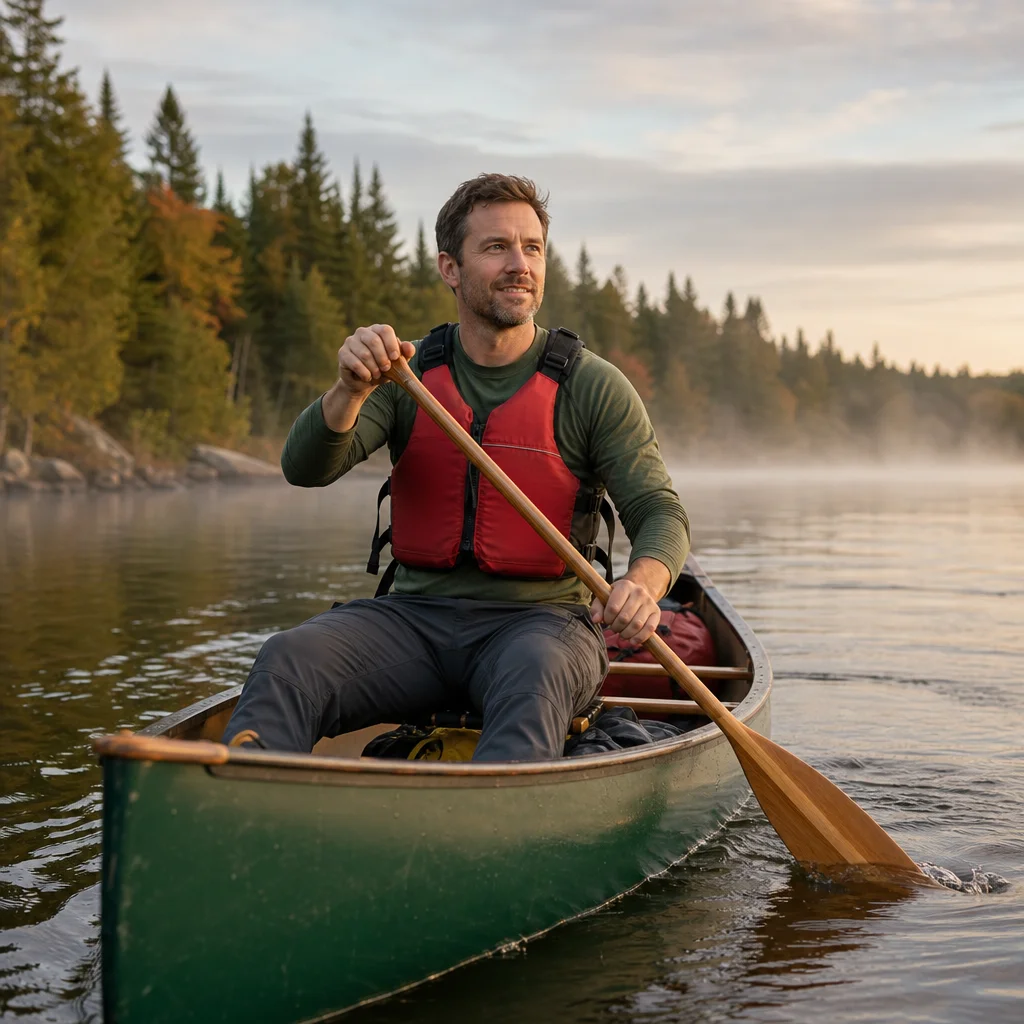
Leaving a canoe at camp looks simple until you consider rising water, wind, theft, animals, wet gear, and the campsite itself. A canoe pulled onto the nearest patch of shore can float away overnight, fill with rain, or become a hazard for the next person who uses the landing.
The most reliable approach is to move the canoe well above the water, support it carefully, and secure it with a system that resists both wind and movement without harming trees or the boat. I’d also keep the setup easy to undo when it’s time to launch again.
Choose the safest place before securing the canoe
Start by looking beyond the visible shoreline. Water levels can rise because of rain upstream, releases from a dam, tidal changes, or overnight runoff. A beach that looks comfortably dry at dinner may be partly underwater by morning.
Carry or drag the canoe to a location that is:
- Above the highest plausible overnight water level
- Away from channels, outlets, and narrow passages where floating debris could collect
- Clear of dead trees, loose rocks, and steep slopes
- Outside the normal walking area of the campsite
- Accessible without trampling fragile vegetation
- Unlikely to shed branches onto the canoe in wind
A little extra carrying is usually cheaper than replacing a damaged hull or recovering a boat downstream. If the shore is steep, don’t leave the canoe where a small rise in water can turn it into a floating battering ram against trees or rocks.
Before moving it, check the shoreline for scratches and sharp objects. A heavy canoe resting on a small stone can develop pressure damage, especially when wind or a person’s weight shifts it.
Remove what can be lost or damaged
Take loose equipment out of the canoe unless there is a compelling reason to leave it inside. Remove paddles, bailers, fishing equipment, food, and removable seats or yokes when practical. Gear left in a canoe can collect rain, attract animals, or make the boat more valuable and visible to an opportunistic thief.
Turn the canoe upside down on padded contact points. A folded foam sleeping pad, spare life jacket, or purpose-made canoe block can protect the gunwales and hull from rough ground. Don’t use food bags, clothing, or other items that need to stay dry as permanent padding.
An upside-down canoe generally sheds rain and is less likely to fill with water. It also presents less interior surface for wind to catch. If the ground is soft, place the boat on stable supports rather than directly in mud, where it can settle unevenly.
If the canoe must remain right-side up, make sure the bow or stern is slightly lower than the opposite end so rain can drain. Never rely on a small drain plug to keep a rain-filled canoe manageable; water can add substantial weight and make the boat difficult or unsafe to move.
Use a two-part tie-down system
A painter tied to one end is useful for handling a canoe, but it isn’t a complete campsite tie-down. Wind can swing the boat, pull it over uneven ground, or work a single line loose.
For a basic setup, use:
- A bow or stern line attached to a solid anchor in the direction the canoe could move.
- A second restraint at the opposite end or across the hull to limit sideways movement and rolling.
A long painter line can connect the canoe to a suitable tree, but leave enough slack for the boat to rest naturally without allowing it to reach the water. Tie a knot you can release after it has been loaded or tightened, such as a round turn with two half hitches. A simple trucker’s hitch can provide useful tension, but avoid cranking it so tightly that the line deforms the hull or strains a fitting.
For an upside-down canoe, a strap over the hull and around a sturdy anchor can stop it from flipping or sliding. Put the strap where it bears on a strong part of the boat, not across a fragile hatch, thin deck fitting, or loose seat. A strap should restrain the canoe, not crush it.
Use webbing or rope in good condition, and inspect the contact points for abrasion. Thin cord can cut into a gunwale or fail after rubbing against bark or rock.
Anchor it without damaging trees or the canoe
A healthy, sturdy tree can be a convenient anchor, but the method matters. Use a wide tree-friendly strap rather than wrapping a narrow rope tightly around the trunk. Wide webbing spreads pressure and is less likely to damage bark or cut into a growing tree.
Don’t tie to dead standing trees, loose branches, small saplings, or shrubs. Don’t use a tree that could fall across the campsite or launch route. If no suitable anchor exists, use a heavy, stable object that won’t roll or damage the canoe, or carry the boat farther to find a better location.
Keep the line low enough to avoid creating a trip hazard, but visible enough that someone walking near the campsite can see it. A taut line across a path is an avoidable nighttime accident. If the canoe is near a shared landing, arrange the tie-down so paddlers can pass without stepping over or around it.
A cable lock through a strong thwart or other appropriate structural member can add theft resistance where that’s permitted and useful. It won’t make a canoe impossible to steal, and it shouldn’t replace a proper tie-down. Avoid routing a lock through a thin grab handle or a part that could be damaged by pulling.
Check the campsite rules before tying up: Confirm whether the area allows overnight boat storage, tree straps, cable locks, or off-site gear caches. Park policies, wilderness regulations, fire restrictions, and protected-area rules vary by location and can change; follow the current guidance from the managing agency.
Keep it secure but easy to retrieve
The best campsite arrangement is secure enough for the conditions but not so complicated that you’re tempted to leave it half-finished. Keep knots and buckles away from mud and standing water. Coil excess line neatly beside the canoe rather than leaving loops where feet, wildlife, or paddles can catch them.
Mark the tie-down point mentally or with a small, permitted marker so you can find it in low light. Don’t leave improvised signs, flagging tape, or bright gear behind if the site rules or leave-no-trace practices prohibit it.
If the canoe is hidden behind brush or rocks, make sure it remains reachable without breaking branches or crossing sensitive plants. “Out of sight” can become “hard to find” after a long day on the water. Take a photograph of the setup if you’re traveling with a group and several boats are stored nearby.
Before leaving camp, check four things:
- The canoe is above the current and likely overnight waterline.
- The hull rests on stable, padded supports.
- The tie-down prevents sliding, rolling, and wind movement.
- The lines don’t block paths, damage trees, or violate local rules.
Adjust for the canoe and the weather
Composite canoes deserve especially careful support because point loading and rough ground can damage a hull or finish. Royalex-style and other plastic canoes are generally more forgiving, but they can still deform if strapped tightly for long periods or left in strong heat. Aluminum canoes tolerate some abuse but can dent when supported on sharp rocks.
In windy conditions, orient an upside-down canoe with its narrow end toward the prevailing wind if the site allows. Add a second strap if gusts could lift the hull. Don’t place rocks inside the canoe to weigh it down; they can scratch or dent the hull and may shift dangerously when the boat is moved.
Rain, freezing temperatures, and sun also matter. Drain wet gear separately, keep flotation and safety equipment from being buried under the canoe, and avoid leaving a hull exposed to intense sun for longer than necessary. If the canoe will remain for several days, inspect the tie-down and supports each time you return to camp.
Common mistakes to avoid
Leaving it at the water’s edge: Convenient, but vulnerable to rising water, waves, and current.
Using only one painter: A single line controls one direction and may let the canoe swing or roll.
Tying tightly to a small tree: The tree can bend, the bark can be damaged, and the line may pull free.
Storing it right-side up without drainage: Rain can turn the canoe into a heavy, unstable container.
Leaving expensive gear inside: This increases loss, animal attraction, and recovery problems.
Blocking a shared landing: Your secure canoe can still be an obstruction for other paddlers.
Assuming a lock makes it safe: A lock adds delay, not certainty. Good site selection and discreet storage do more to reduce risk.
A simple low-cost setup
For many overnight trips, you don’t need specialized hardware. A wide tree strap, a sound painter line, one additional strap, and a little padding from gear you already carry can handle ordinary conditions. The main investment is choosing the location carefully and taking a few extra minutes to test whether the canoe can slide, roll, or reach the water.
Before walking away, push gently against the hull from several directions. If it shifts toward the shoreline, improve the supports or change the anchor arrangement. Then look at the setup from the perspective of someone arriving after dark: Is the canoe visible, is the line a trip hazard, and can the boat be removed without damaging the campsite?
When you return, inspect the hull, straps, knots, and anchor before launching. Clear away mud and debris, confirm that drain plugs and flotation are in order, and make sure no line remains attached. A secure overnight setup should protect the canoe while you’re gone and leave the campsite ready for the next launch.