How to Reenter a Canoe Near Shore After a Capsize
Swimming to shore may look simpler than climbing back into a canoe, but the safer choice depends on water, weather, and the landing. I’ll explain how to stabilize the boat, manage gear, choose a recovery option, and build reliable reentry skills through practice.
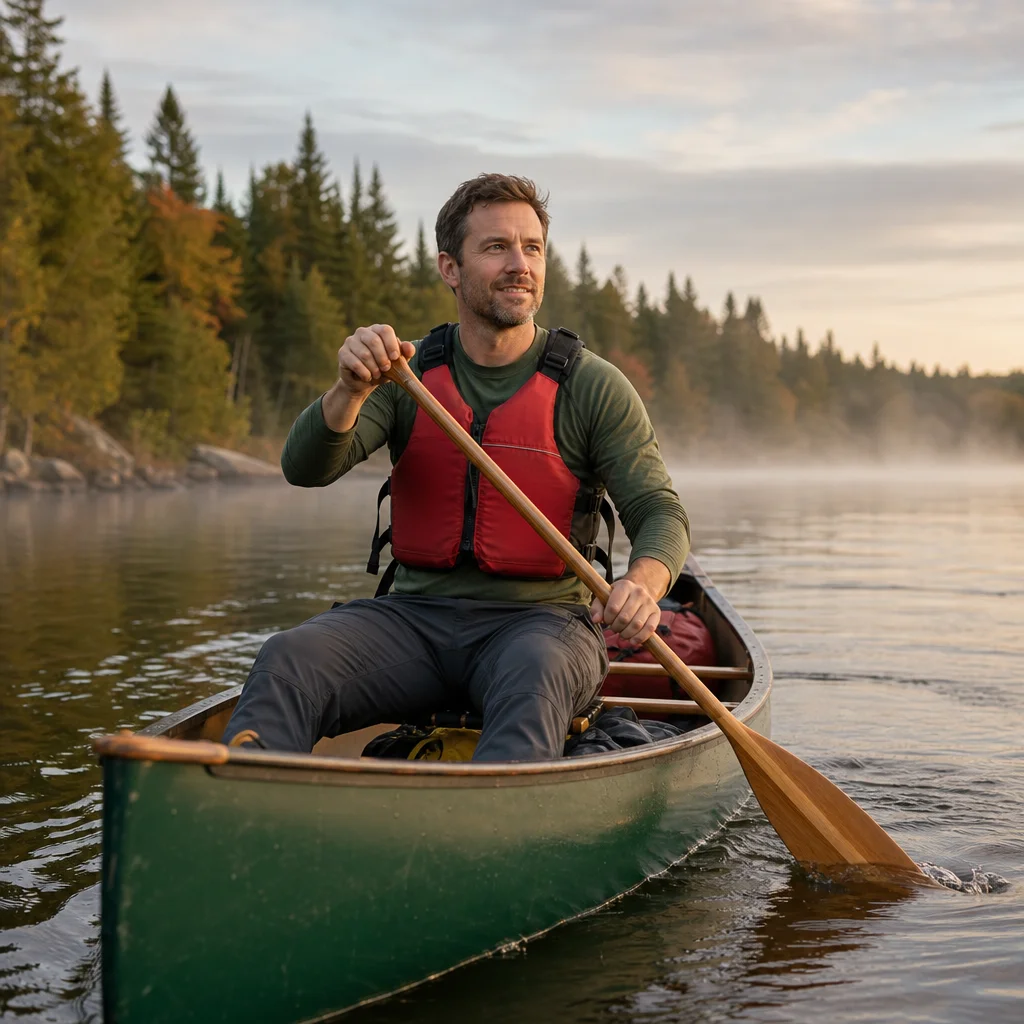
A capsized canoe near shore can create a misleading sense of safety. The bank may be close, but cold water, current, unstable footing, and a waterlogged boat can turn a short swim into a difficult recovery. I’ll treat reentry as a decision rather than a single trick: first stabilize the situation, then choose the least risky way to reach safety.
The most reliable rescue is usually the one you’ve prepared for before the capsize. A canoe with sound flotation, accessible gear, and practiced recovery points is much easier to manage than one carrying loose equipment and holding several inches of water.
Make the First Decision: Reenter or Swim?
Near shore, you generally have two options:
- Reenter the canoe in the water and paddle or float to shore.
- Keep hold of the canoe and swim it to a safe landing.
Neither option is automatically safer. Reentry makes sense when the water is calm enough, the canoe has enough flotation to support you, and you can climb in without repeatedly swamping it. Swimming may be better when the shore is close, the landing is safe, and the canoe is too full of water or unstable to reenter.
Don't judge distance alone. Consider:
- Water temperature and how long you can remain functional.
- Wind, waves, current, and boat traffic.
- Whether the shoreline has a safe, gradual landing.
- Rocks, branches, fences, strainers, or other hazards.
- Whether you’re alone or have a partner who can assist.
- Your clothing, fitness, and ability to climb into the canoe.
If you’re cold, injured, exhausted, separated from your partner, or being carried toward a hazard, prioritize getting yourself to safety. Keep your personal flotation device on. A canoe can often be recovered later; a paddler in trouble needs immediate attention.
Check Your Local Recovery Advice: Before practicing, take a current canoe-safety or rescue course that reflects local water conditions, canoe types, and emergency procedures. Regulations, recommended equipment, and emergency contacts can differ by location.
Stabilize the Scene Before You Climb
Keep yourself and the canoe together if doing so doesn’t pull you toward danger. Hold a grab handle, painter line, or gunwale rather than wrapping a line around your wrist. Loose rope can snag you, especially in current.
If a partner is present, stay in communication. One person should control the canoe while the other gathers people and essential equipment. Avoid making several people climb onto the same side of the boat; that can roll the canoe again.
Move away from immediate hazards before attempting a detailed recovery. A canoe drifting toward a low-head dam, fast current, fallen trees, or boat traffic isn't a good platform for experimenting with technique. If you can’t control the situation, call for help and use clear signals to attract attention.
Keep your head low and your movements deliberate. A capsized canoe becomes unstable when someone hangs heavily from one gunwale. Slow, balanced movements conserve energy and reduce the chance of a second capsize.
Control the Gear Without Creating More Problems
Loose gear can make reentry harder, damage the canoe, or create a snagging hazard. Secure what you can without letting go of the canoe or swimming into unsafe water.
Prioritize items that help with survival or communication:
- Personal flotation devices.
- A phone or communication device in a waterproof case.
- Paddle and spare paddle, if available.
- Throw line, bailer, or pump.
- Dry layers and emergency supplies.
Don't spend valuable time chasing small items. If a dry bag has floated away, leave it unless recovering it is clearly safe. The canoe and the people are more important than equipment.
A painter line can help someone guide the canoe, but it should remain short, controlled, and free of loops around the body. Long lines trailing through moving water can catch on branches or rocks. A properly stowed line is useful; an unmanaged line is another hazard.
Bring the Canoe Upright and Reduce Its Water Load
If the canoe is upside down, turn it upright while keeping your body on the safer side of the boat. Use the canoe’s grab points where possible. Avoid pulling hard on a single gunwale, which can roll the boat unpredictably.
A canoe full of water is heavy and difficult to reenter. If conditions allow, empty some of that water before climbing in. A partner can help by lifting one end while the other person steadies the boat. Don’t attempt a large lift that strains your back or forces you underwater.
In shallow, calm water, you may be able to guide the canoe to shore and drain it there. “Shallow” should mean shallow enough for a controlled recovery, not merely water where your feet might touch. Unknown bottoms, deep mud, sharp rocks, submerged branches, and current can make standing dangerous.
If the canoe has flotation chambers or airbags, they can keep it from sinking and reduce the amount of water inside. They don’t make an occupied canoe automatically stable, and they don’t replace practice.
Reentering From the Water
A basic solo reentry works best when the canoe is upright, reasonably empty, and floating level. The exact method varies with hull shape and paddler size, so practice with an instructor rather than treating these steps as a substitute for coaching.
- Position yourself near the canoe’s center, where your movements are less likely to tip it.
- Keep the canoe broadside or in the orientation recommended for your training and conditions.
- Place your forearms and chest across the opposite gunwale instead of pulling your full weight onto one side.
- Kick steadily while pulling your torso onto the canoe. Try to slide across rather than climb vertically.
- Keep your body low and centered as your hips come aboard.
- Rotate into the canoe only after you’re supported, then remain low while stabilizing it.
The common mistake is trying to lift the entire body straight up while hanging from one side. That concentrates weight on the gunwale and often causes another capsize. The better goal is to get your chest across the canoe first, then slide and roll into a stable position.
Once aboard, don’t immediately sit upright and paddle hard. Stay low, regain control of your breathing, bail water, and collect the paddle. If the canoe remains dangerously unstable, return to the shore-swimming option rather than repeating a failed reentry until exhaustion sets in.
When Swimming the Canoe to Shore Makes More Sense
If the shore is close and safe, you may choose to keep hold of the canoe and swim it in. Wear your PFD and use the canoe as flotation, but don’t let it pull you into current or toward an obstacle.
Choose a landing with a gradual approach and enough room to control the boat. A rocky bank, steep mud slope, or surf-exposed shore may be harder than remaining in the water for a short, controlled reentry. If waves are pushing the canoe toward shore, approach with care so the boat doesn’t strike you or trap you against the bank.
In current, follow the direction and technique taught for your local waterways. Don't stand up simply because the bottom seems close. Moving water can sweep your legs from under you, and foot entrapment is a serious hazard. If you must move through current, keep your feet up and use the canoe for support when appropriate.
Once the canoe reaches shore, guide it above the waterline only as far as necessary. A damaged hull can take on more water, and dragging it over rocks can create a repair problem after the immediate emergency is over.
Partner-Assisted Recovery
A partner can make a major difference, but both paddlers must avoid placing all their weight on one gunwale. The person in the water should control their own flotation and follow simple instructions. The person in the assisting canoe should keep the rescue boat stable and positioned according to practiced technique.
Many paddlers learn a canoe-over-canoe or parallel-assisted recovery in formal instruction. These methods use one canoe to support or lift the other while removing water. They are effective only when the participants understand where to hold, how to distribute weight, and how to avoid trapping limbs between boats.
If one paddler is injured, panicking, or showing signs of cold stress, keep the response simple. Get the person supported, move toward the safest shore or assistance, and call emergency services when needed. A complicated rescue sequence isn't useful if nobody can perform it calmly.
Build Reliability Before the Next Launch
Reentry skill is partly a maintenance issue. Equipment that works predictably gives you more options after a capsize.
Before each outing, check that:
- Flotation chambers or airbags are properly installed and inflated as appropriate.
- Grab handles and carry thwarts are secure.
- The painter line is accessible but stowed to prevent entanglement.
- The bailer or pump can be reached from the paddling position.
- PFDs fit correctly and are in good condition.
- Dry bags are closed and arranged so they won’t all shift to one side.
- The canoe has no damage that could affect flotation or control.
Practice in warm, calm, shallow water with qualified instruction and a partner who knows what you’re attempting. Start by recovering a paddle and stabilizing an upright canoe. Then practice emptying water, getting your chest over the gunwale, staying low, and deciding when to stop.
Repeat the practice after changing canoe types, paddling partners, clothing, or rescue equipment. A technique that works in a lightly loaded recreational canoe may not work the same way in a loaded tripping canoe.
Practical Next Steps
For your next preparation session, inspect the canoe’s flotation and rescue equipment, then write down the safest nearby landing areas for your usual route. Practice both options—assisted reentry and swimming the canoe to shore—in controlled conditions. The goal isn’t to prove that you can force your way back into the boat. It’s to recognize the conditions, protect your energy, and choose the recovery that leaves you with the most control.