A Low-Stress Canoe Outing for Families With Young Children
Young children can turn a peaceful paddle into a rushed outing when route length, seating, clothing, and weather don't match their needs. I’ll help you balance those trade-offs and build a short canoe plan with a realistic backup.
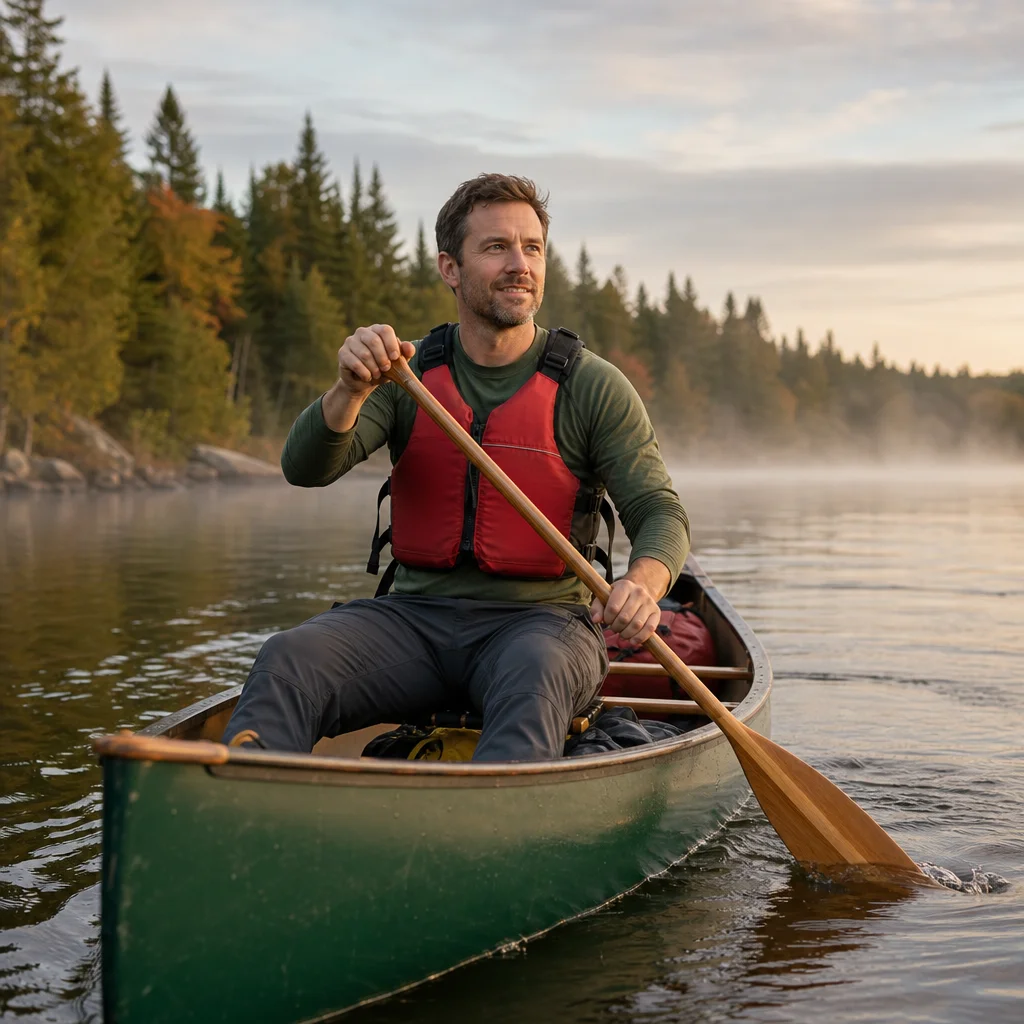
The best family canoe outing is usually shorter, simpler, and closer to help than adults first imagine. Young children may enjoy the novelty of the boat for an hour, then become hungry, cold, bored, or eager to move on with very little warning.
I’d plan around the child who has the least paddling patience, not the adult who wants to cover the most water. That means choosing a forgiving route, assigning seats deliberately, bringing more clothing and snacks than seems necessary, and treating the backup plan as part of the outing rather than a sign of failure.
Choose the route for an easy exit
For a first outing, look for a calm body of water with a short route and several ways to turn back or land. A small, sheltered lake, quiet pond, or slow section of river is generally easier to manage than a long one-way trip. A route that looks scenic on a map can still be a poor family choice if the only landing is several miles away.
The main trade-off is scenery versus flexibility. A remote shoreline may feel more adventurous, but a familiar park with a nearby launch, restrooms, picnic area, and open space gives you more options when the youngest passenger has had enough.
Aim for a route that can be shortened without creating a difficult return. An out-and-back paddle is useful because you can reverse course at any point. A short loop can work well too, provided the remaining portion doesn't include exposed water, strong current, or an awkward landing.
Before committing, consider:
- How long the family will be on the water at a child-friendly pace
- Whether the launch is easy to reach and safe to use
- How far the route is from the car or a suitable landing
- Whether wind can make the return trip harder
- Where you could stop for a snack, drink, or clothing change
- Whether the area has restrictions on swimming, landing, or launching
Check the outing conditions: Before leaving, confirm the current weather, wind, water conditions, launch access, park rules, and any local life-jacket requirements. Conditions that are manageable for adults can quickly become uncomfortable or unsafe for small passengers.
Set a modest time goal
A child’s first canoe trip doesn’t need to fill the day. For many families, a short paddle followed by lunch or a playground visit is more successful than an ambitious expedition with several hours on the water.
Think in terms of a turnaround time rather than a distance goal. You might decide to paddle away from the launch for 20 or 30 minutes, then return while everyone is still comfortable. If the children remain engaged, you can extend the outing from shore or add a second short session after a break.
Build in time for the parts adults often underestimate: parking, carrying gear, fitting life jackets, settling into the canoe, answering questions, and getting everyone back into dry clothes. A two-hour park visit can easily require more time than the paddle itself.
The practical goal is to finish with some energy left. Ending while the trip is still going well makes a second outing more appealing and avoids teaching children that canoeing means being trapped in a wet boat until an adult says it’s over.
Arrange the seats around stability and supervision
Seating affects both comfort and control. In a standard tandem canoe, the stronger and more experienced paddler usually belongs in the stern, where that person can steer. The other adult can paddle in the bow if comfortable, while a young child sits low and centered between the adults or in another position recommended by the canoe’s design and the supervising adults.
There isn’t one arrangement that works for every canoe or family. The important principles are to keep the child’s weight low, avoid overloading the boat, and make sure the adults can reach and supervise the child without awkward leaning.
A child who can sit independently may be content in the middle for a short trip. A very young passenger may need a more contained position, but improvised seats, raised platforms, coolers, and loose gear can make the canoe less stable. Don’t let a child stand, move suddenly from end to end, or climb over a thwart while the boat is afloat.
If two children are coming along, their weight and movement matter as much as their ages. One child who sits quietly may be easy to accommodate; two children who both want to switch sides may make the same canoe feel crowded. A larger canoe can offer more room, but it isn't automatically easier to control, especially in wind.
Test the seating arrangement on shore. Have everyone sit where they’ll ride, put on the life jackets, and practice passing a drink or snack without anyone standing. If the setup already feels cramped on land, it will feel more difficult once the canoe is moving.
Dress for splashes, not just the forecast
Children often get wet even on calm water. Paddles drip, a landing may involve shallow water, and a small spill can turn a comfortable trip into a cold one. Dress young passengers for the water temperature and possible splashing rather than relying only on the air temperature.
Quick-drying layers are usually more useful than heavy cotton. Bring a warm layer for each child, plus a complete change of clothes stored in a waterproof bag. Keep the spare clothes dry until they’re needed; a bag left open under a seat isn't much of a backup.
A few details make a noticeable difference:
- Use secure footwear that can get wet and won’t easily come off in mud.
- Protect children from sun with clothing, shade, and sunscreen suited to their age.
- Bring hats that fit securely but won’t obstruct vision or blow away easily.
- Pack a towel or small blanket for the landing and changing area.
- Keep loose items attached or stored so they can’t roll underfoot.
Check that every life jacket fits correctly, is intended for the wearer’s size and weight, and is worn whenever the child is near or on the water. A child may complain that it feels bulky, but comfort should be improved through fit and clothing—not by loosening or removing it.
Pack for comfort without filling the canoe
Young passengers need more support than a minimalist adult kit, but too much gear creates clutter and instability. Pack the essentials in small waterproof bags and decide what must be reachable during the paddle.
A practical family load might include:
- Drinking water and simple, low-mess snacks
- Spare clothes and a towel for each child
- Sun and weather protection
- A basic first-aid kit and any necessary medication
- A phone or communication device in a waterproof case
- A small trash bag
- A compact activity for the child who becomes bored
- Emergency supplies appropriate to the route and distance from help
Avoid handing out toys that can easily fall overboard or encourage children to lean. A soft, secured item such as a small book, quiet game, or waterproof card set is easier to manage than several loose objects.
Snacks are a planning tool, not just a reward. Hunger can look like defiance, restlessness, or sudden misery. Offer a drink and small snack before the child reaches that point, and plan a shore break where everyone can eat without trying to balance food in a moving canoe.
Give children a job, but keep control with adults
Young children often enjoy canoeing more when they have a role. They can help carry a light item, look for birds, point out landmarks, count paddles, or help check that everyone has water. These jobs create interest without asking them to manage equipment or safety decisions they aren’t ready for.
You can also explain a few simple rules before launch:
- Stay seated unless an adult says the canoe is safely on shore.
- Keep hands and feet inside the canoe while it’s moving.
- Tell an adult if you’re cold, tired, thirsty, scared, or need the bathroom.
- Don’t grab branches, rocks, or wildlife.
- Keep paddles low and follow the adults’ instructions.
Use plain language and rehearse the rules on land. A child who understands what to expect is less likely to react impulsively when the canoe wobbles or a splash surprises them.
Have a backup that still feels like a good day
A backup activity solves the biggest family-outing problem: the assumption that abandoning the original plan means the day is ruined. Choose something close to the launch, such as a picnic, short nature walk, playground, beach visit where permitted, or visit to a nearby attraction.
The backup should require little extra gear and should work if the family returns early. If it depends on a reservation, a long drive, or perfect weather, it may add pressure instead of removing it.
I’d also set a clear stopping rule before launching. Return when a child becomes cold, unusually quiet, frightened, persistently restless, or too tired to follow basic instructions. Adults may be able to push through discomfort; young passengers have fewer ways to regulate it, and a small problem can become a difficult landing later.
A simple family plan
For a first low-stress outing, choose a sheltered route with an easy return and a nearby backup activity. Keep the paddle short, put the most capable paddler in the steering position, seat children low and centered, and test the arrangement before launching.
Pack dry layers, water, snacks, and a complete change of clothes. Check the forecast and local conditions on the day of the trip, then give yourself permission to shorten or cancel the paddle when the conditions or the children’s mood call for it.
The most useful measure of success isn't distance covered. It’s whether everyone gets off the water safely, remembers at least one enjoyable moment, and can imagine trying again.