A Simple Food Plan for a Two-Day Canoe Trip With No Cooler
When a two-day paddle leaves no room for a cooler, food still has to be filling, simple, and tolerant of heat. I’ll lay out a compact shelf-stable menu with portions, cooking and cleanup strategies, and choices that hold up between launches.
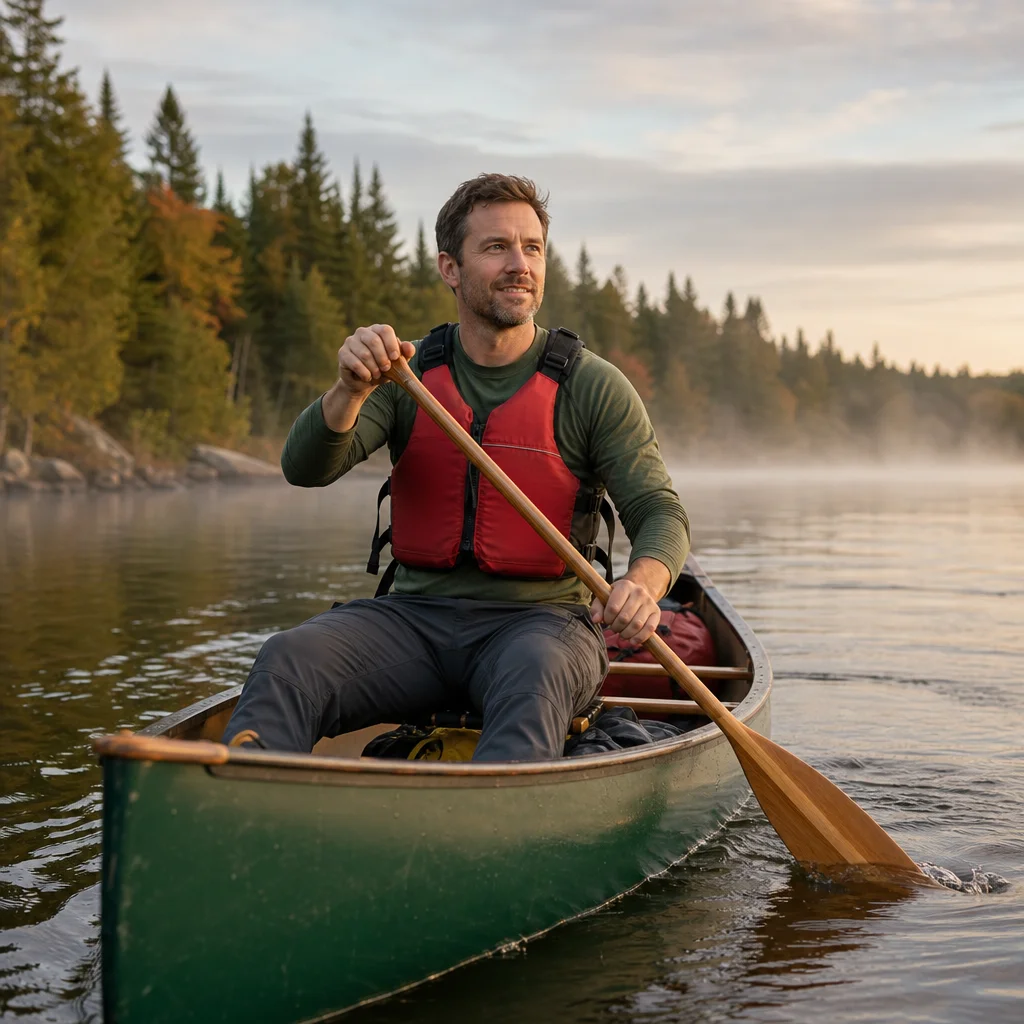
A cooler-free canoe trip is less about finding exciting camp meals than removing the ingredients that create problems. For two days, the best food is compact, dependable, easy to portion, and forgiving when the canoe sits in the sun for a few hours.
I’ll assume one adult with a small stove, a pot, a mug, and access to treated or potable water. Multiply the quantities for additional people, but don’t simply multiply bulky packaging: repack meals at home and leave unnecessary cartons behind.
The basic two-day menu
This plan covers two breakfasts, two lunches, two dinners, and several snacks for one moderately active adult.
| Meal | Food | Preparation |
|---|---|---|
| Day 1 breakfast | Instant oatmeal, powdered milk, dried fruit, nuts | Add hot water |
| Day 1 lunch | Tortillas, peanut butter, honey or jam, a firm whole fruit | No cooking |
| Day 1 dinner | Couscous, foil-packed tuna or chicken, dried vegetables, seasoning | One-pot soak or simmer |
| Day 2 breakfast | Instant grits or oatmeal, shelf-stable bacon alternative or nuts | One pot |
| Day 2 lunch | Crackers or tortillas, tuna pouch, hummus powder or peanut butter, dried fruit | No cooking |
| Day 2 dinner | Instant rice or noodles, dehydrated beans or lentils, hard cheese alternative or seasoning | One pot |
| Snacks | Trail mix, bars, jerky, pretzels, chocolate substitute, dried fruit | No cooking |
The menu is intentionally repetitive. Familiar food is useful when you’re tired, wet, or trying to pack the canoe before breakfast. It also makes portion planning and shopping easier.
Portion the food before you leave
For one person, pack approximately:
- Four individual servings of instant oats or grits
- 4 to 6 tortillas, or enough crackers for two lunches
- 6 to 8 tablespoons of peanut, almond, or sunflower-seed butter
- Two tuna, chicken, salmon, or bean pouches
- Two cups of instant rice, couscous, noodles, or another quick-cooking grain
- One to two cups of dehydrated beans, lentils, or vegetables
- Two to four ounces of nuts or trail mix per day
- Two snack bars per day
- A small bag of jerky, roasted chickpeas, or another savory snack
- Four to six servings of dried fruit
- Seasonings, oil, and drink mix in small containers
These are starting points, not a universal calorie prescription. A paddler covering long distances, carrying heavy gear, or paddling in cold conditions may need substantially more food. If you’re unsure, add one extra day’s worth of snacks rather than doubling every meal. Extra bars and nuts are easier to carry than an unused pouch of dinner ingredients.
A useful test is to portion each meal into its own bag, then label it with the meal and the amount of water it needs. “Day 1 dinner—1½ cups” is much easier to manage at camp than a large bag of mixed ingredients.
Check the food before it reaches the canoe: Read package directions, allergen statements, and storage instructions at home. Shelf-stable doesn't mean every package can be left in direct sun or opened and saved indefinitely.
Make breakfast quick and quiet
Breakfast should require little fuel and fewer dishes. Instant oatmeal or grits work well because they can be prepared with boiling water, and the dry ingredients can be measured in advance.
For one serving, combine:
- One packet or roughly half a cup of instant oats or grits
- One to two tablespoons of powdered milk, if desired
- A small handful of dried fruit
- A tablespoon of nuts or seeds
- Cinnamon, brown sugar, or a pinch of salt
If you prefer a cold breakfast, soak oats in water overnight in a leakproof container. That saves fuel, but it adds a container that must be cleaned. Use this option only if you’re comfortable managing the extra dish and keeping it protected from dirt and wildlife.
Coffee, tea, or cocoa can be packed as individual servings. Keep sweeteners in a small, sturdy container; a paper packet that gets wet becomes a sticky repair project.
Use lunches that don’t depend on cooking
Lunch is often the meal most likely to be eaten late or in an inconvenient place. A no-cook option lets you stop on shore without unpacking the stove.
Tortillas are usually more forgiving than sliced bread in a canoe pack. Fill them with peanut butter and honey, sunflower-seed butter and jam, or a tuna pouch with seasoning. Whole apples, oranges, and firm carrots can add texture and moisture if they won’t be crushed by other gear.
Crackers are another option, but pack them in a rigid container or a well-protected bag. Crumbs aren't a major problem by themselves; crackers that have become damp and powdery are.
For a more substantial lunch, combine a tuna or bean pouch with tortillas and a small packet of hot sauce. Open only what you’ll eat. Once a pouch is opened, treat the contents as perishable rather than assuming the original shelf life still applies.
Build one-pot dinners around fast-cooking staples
The easiest canoe-camp dinner has three parts: a quick starch, a protein, and something flavorful.
Couscous and tuna bowl
For one serving, pack about one cup of couscous, a quarter to half cup of dried vegetables, a tuna or chicken pouch, and a small packet of olive oil. Add salt, pepper, curry powder, lemon pepper, or a seasoning blend.
Bring the required water to a boil, stir in the couscous and vegetables, remove the pot from heat, and cover it. After the couscous softens, stir in the protein and oil. This uses less fuel than a long-simmering meal and keeps cleanup manageable.
Instant rice and beans
Use precooked instant rice with dehydrated refried beans, lentils, or another quick-cooking bean product. Add taco seasoning, powdered cheese, hot sauce, or oil for flavor. If the beans need a long simmer, they’re less suitable for a small fuel budget; choose a product designed for quick preparation.
Noodles with a protein add-in
Instant noodles can work, but the plain seasoning packet may leave the meal short on protein. Add a tuna pouch, jerky broken into small pieces, powdered peanut butter, or dehydrated beans. Carrying a small amount of oil or nut butter also makes the meal more satisfying.
Avoid making the dinner depend on a delicate topping. Fresh avocado, soft cheese, mayonnaise, and creamy sauces are awkward without reliable cooling. If you want those flavors, use sealed single-serving packets that are specifically shelf-stable and open them only at mealtime.
Choose heat-tolerant foods carefully
“No cooler” doesn’t mean “leave everything anywhere.” A dry food bag still needs shade, ventilation, and protection from rain and animals. Keep it out of a hot car, closed tent, or direct sun whenever possible.
Foods that generally travel well include sealed grains, tortillas, nut butter, dried fruit, nuts, jerky, dehydrated vegetables, powdered drink mixes, and unopened commercial pouches labeled for room-temperature storage.
Foods that deserve extra caution include fresh meat, seafood, eggs, soft dairy, cut fruit, cooked leftovers, creamy dips, and opened wet foods. A hard cheese may be suitable for a short trip in some conditions, but its safety and quality depend on the product, packaging, temperature, and handling. Without a cooler, it’s simpler to leave it behind.
Chocolate can melt into an unhelpful brown coating on everything nearby. Substitute chocolate-flavored bars, candy that tolerates heat, sesame snacks, or extra dried fruit when warm weather is expected.
Pack for cleanup, wildlife, and damp weather
A no-cooler food plan can still create wildlife problems if wrappers and pouches retain food odors. Pack all food in a durable, sealable bag, and keep the clean and dirty sides of the system separate. Follow local storage requirements and campground or wilderness rules where you’re traveling.
For a one-pot meal, scrape the pot with a tortilla or soft piece of bread before washing it. Use only the amount of water and biodegradable soap appropriate for the site, and dispose of wash water according to local guidance. In some places, straining food particles and dispersing wash water away from camp is expected; in others, specific disposal methods apply.
Bring a small trash bag inside a second protective bag. Include tea bags, wrappers, foil, food pouches, and used paper towels. Wet packaging can make a canoe bag smell quickly, so give it a place to dry when camp conditions allow.
Rain changes the plan more than hunger does. Put each day’s meals in a waterproof liner or separate dry bag, and keep one no-cook meal accessible. If the stove fails or fire use is restricted, tortillas, nut butter, tuna pouches, bars, and trail mix can carry the trip without requiring a backup campfire.
A compact packing checklist
Before loading the canoe, confirm that you have:
- Two breakfasts, two lunches, and two dinners per person
- Extra snacks for delays or a slower paddling pace
- A no-cook backup meal
- A stove, fuel, lighter, and a waterproof backup ignition source
- A pot, mug, spoon, and method for measuring water
- Seasonings and oil in leakproof containers
- A durable food-storage bag
- Trash bags and a small cleaning kit
- Water-treatment equipment and enough capacity for the planned route
- A rigid container or other protection for crushable food
Pack the first day’s lunch and snacks where they can be reached without unloading half the canoe. The best food plan is less useful when it’s buried under a dry bag and three paddles.
Practical next steps
Choose the two dinners first, then build breakfasts and lunches around the same ingredients. Portion everything at home, label the water amounts, and cook one meal in your pot before the trip if the instructions are unfamiliar.
Finally, set aside one no-cook meal and one extra snack per person. That small reserve handles a late arrival, a wet stove, or the simple possibility that paddling makes everyone hungrier than expected.