Canoe Outfitters, Clubs, or Friends: Which Is the Best Way to Start?
The best first-season choice depends less on ownership than on access, instruction, and dependable equipment. I’ll compare outfitters, clubs, friends, and buying gear so you can start paddling without paying for the wrong kind of commitment.
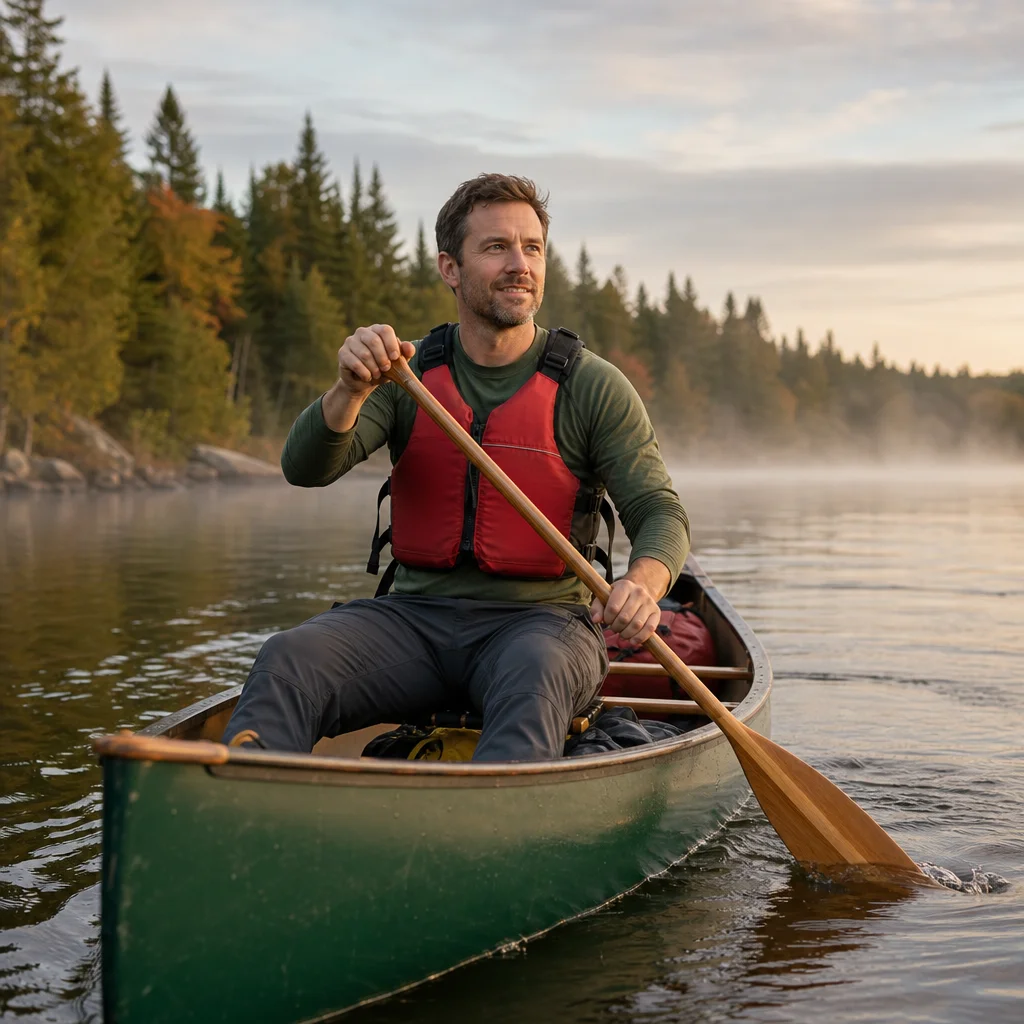
Starting canoeing usually raises a deceptively simple question: should you rent, join a club, borrow from friends, or buy your own equipment? The cheapest option on paper isn’t always the easiest way to get on the water, and the most convenient option may leave you without instruction or a reliable plan.
For most new paddlers, the right choice depends on four things: how often you expect to paddle, where you’ll go, whether you need instruction, and how much responsibility you want to take on. A sensible first season is less about choosing a permanent setup and more about learning what kind of paddling you actually enjoy.
Start with the kind of access you need
Before comparing prices or equipment, picture a realistic outing. Are you hoping to paddle a calm lake for two hours, take weekend trips on moving water, or explore several launch sites close to home? Will you usually go alone, with a partner, or as part of a group?
These details change the best answer. An outfitter may be ideal for occasional day trips but inconvenient for spontaneous evening paddles. A club can provide boats and community but may operate on a schedule. A friend’s canoe may be free, yet the arrangement can become awkward if nobody has planned transportation, safety equipment, or a return time.
Your first goal should be repeatable access. The option you can use several times is often more valuable than the option that looks cheapest for one outing.
Renting from an outfitter
An outfitter is usually the simplest way to try canoeing without purchasing equipment. Many outfitters rent canoes, paddles, and personal flotation devices, and some offer transportation, route advice, or guided trips. That makes this option especially useful when you’re still learning what a canoe trip involves.
Why renting works well
- You can test canoeing before committing money or storage space.
- You can choose equipment suited to a particular lake, river, or route.
- Shuttle services can solve the logistics of a one-way trip.
- Staff may point you toward suitable routes and local hazards.
- You avoid long-term maintenance and seasonal storage.
The main drawback is that rental availability can shape your plans. Busy weekends may require reservations, and pickup or return windows may not suit a leisurely schedule. A rental canoe also may not be the exact style you’d choose to own.
Renting is strongest when you’re paddling occasionally, traveling to different waters, or deciding whether canoeing will become a regular hobby. It’s also a good way to compare canoe lengths, seating arrangements, and stability before buying.
Mistakes to prevent when renting
Don’t book a boat based only on the number of people it can carry. Ask about the canoe’s approximate weight, capacity, stability, and intended water conditions. A canoe that technically fits three people may be uncomfortable with camping equipment or difficult for a beginner to handle.
Confirm what the rental includes. Paddles and flotation devices may be included, optional, or sized generally rather than individually. Ask about the launch location, return time, weather cancellation policy, and whether transportation is provided for your route.
Check the day’s local requirements: Before launching, confirm current rules for flotation devices, required lights or signals, access permits, fire restrictions, and any outfitter-specific safety instructions. Requirements can vary by state, province, waterway, and season.
Joining a canoe club
A canoe club can be the best starting point for someone who wants instruction, regular outings, and a community of paddlers. Clubs vary widely. Some organize casual lake trips, while others focus on touring, whitewater, racing, conservation, or social events.
Why a club can accelerate learning
- You can learn from paddlers with different experience levels.
- Group outings provide structure and motivation.
- Some clubs offer training, safety sessions, or skills workshops.
- You may be able to borrow or rent club equipment.
- Experienced members can help you choose a canoe and gear later.
The social side is important, but don’t assume every club is beginner-focused. Some groups move quickly, cover challenging water, or expect members to bring their own equipment. A club that looks welcoming online may still have outings that aren’t appropriate for your current skills.
Ask about the typical pace, group size, water conditions, equipment access, and expectations for new members. Look for a first outing described as beginner-friendly rather than simply joining the most ambitious trip on the calendar.
Mistakes to prevent in a club
The most common mistake is treating group membership as a substitute for personal preparation. A club can provide knowledge and company, but you still need properly fitted flotation equipment, clothing suited to the weather, water, food, and a way to communicate or summon help where appropriate.
Another mistake is choosing a club solely because it has the lowest dues. A slightly more expensive group with regular beginner instruction and convenient launch locations may provide much more value than an inexpensive group whose trips you can rarely attend.
Borrowing from friends
Borrowing a canoe is often the fastest and least expensive way to try the sport. It can work very well when the owner is willing to explain the boat, help with loading, and join the outing or recommend a suitable route.
A friend’s canoe is most useful when the arrangement includes more than the hull. You’ll need paddles, flotation devices, transportation, tie-downs, and a plan for returning everything in good condition. If the owner knows the canoe well, ask about its limits, quirks, repair history, and proper carrying points.
The risks of informal borrowing
Free equipment can create false confidence. A borrowed canoe may be heavy, unstable for your group, poorly suited to the intended water, or missing essential gear. You may also underestimate the responsibility involved if the canoe is damaged, lost, or involved in a collision.
Discuss expectations before the trip. Agree on when and where the canoe will be returned, who supplies fuel and transportation, and what happens if weather delays the outing. Inspect the canoe together and take note of existing damage. This isn’t excessive formality; it protects both the friendship and the boat.
Borrowing is a strong choice for a few trial outings, particularly if your friend is an active paddler who can offer basic instruction. It’s less reliable as a long-term plan if access depends on someone else’s changing schedule.
Buying basic equipment
Buying can make sense when you already expect to paddle regularly and have a practical storage and transportation plan. Ownership gives you immediate access, lets you customize your setup, and may become economical over several seasons of frequent use.
It also brings responsibilities that beginners sometimes overlook:
- Storage that protects the canoe from unnecessary damage.
- A suitable vehicle rack or trailer and safe tie-down method.
- Paddles sized for the paddler and seating position.
- Properly fitted flotation devices for every passenger.
- Cleaning, drying, inspection, and occasional repairs.
- Registration, access fees, or other local requirements where applicable.
A common mistake is buying the canoe first and solving everything else later. A boat that fits the budget but not the vehicle, garage, lifting ability, or usual waterways may be an expensive obstacle.
If you buy, consider starting with a versatile used canoe in sound condition rather than the most specialized model you can afford. Inspect the hull, seats, gunwales, thwarts, hardware, and any repairs. Be cautious about a low price that reflects serious structural damage or missing equipment.
Which option fits your first season?
Choose an outfitter if you want occasional trips, route-specific equipment, or a low-commitment trial.
Choose a club if instruction, regular outings, and meeting other paddlers matter as much as access to a boat.
Choose friends if you have a dependable owner who can help with equipment, logistics, and appropriate route selection.
Choose to buy if you expect frequent use, can transport and store a canoe safely, and are ready to maintain it.
You don’t have to choose only one. A club outing followed by an outfitter rental can teach you more than either option alone. Borrowing a friend’s canoe can help you decide whether ownership is worthwhile, while renting different designs can prevent a poorly informed purchase.
A low-risk way to begin
For many new paddlers, a sensible sequence is to take a beginner-oriented lesson or club outing, rent for one or two additional trips, and then reassess. Pay attention to the water you prefer, how often you can realistically go, and what equipment causes inconvenience.
Keep a short list after each outing: what felt stable, what was difficult to carry, which gear was missing, and how much planning the trip required. Those observations will guide a purchase far better than a quick comparison of canoe advertisements.
Start with dependable access, suitable conditions, and basic instruction. Once those pieces are in place, deciding whether to rent, join, borrow, or buy becomes a practical choice rather than a guess.